
Opuntia pusilla
Opuntia pusilla
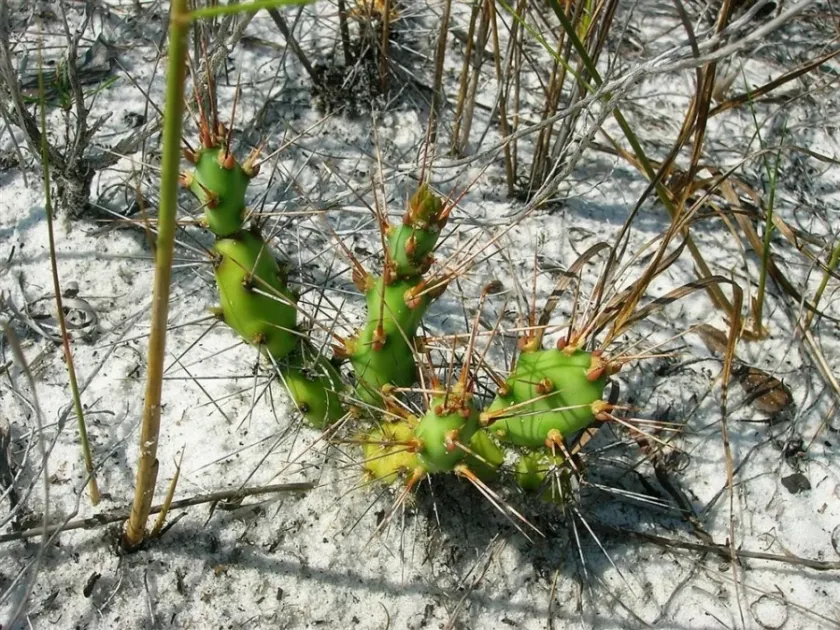
Description
Sowing dates
Propagation of this culture for agricultural and ornamental purposes is carried out mainly by vegetative means. Due to the brittleness of its segments, the plant easily propagates naturally when fragments fall onto suitable substrate.
For deliberate cultivation, cuttings are preferred during the spring and summer periods. Prepared segments should be dried for several days to allow callus formation at the cut site.
Rooting is performed in a loose sandy substrate, ensuring moderate soil moisture. Excessive watering during the rooting phase is unacceptable, as it triggers rotting of the delicate stem tissues.
The temperature regime during the rooting period should be 22–25 degrees Celsius. Optimal lighting is diffused sunlight without intense direct beams for the first two weeks.
In case of seed propagation, sowing is carried out in pre-warmed substrate, simulating natural conditions with sharp diurnal temperature fluctuations. However, the vegetative method remains the priority due to the speed of obtaining planting material.
Growing requirements
Opuntia pusilla belongs to the Cactaceae family and naturally grows mainly in sandy coastal areas of North America. The crop is extremely demanding regarding soil drainage levels.
The plant prefers well-lit areas with direct access to sunlight. A lack of insolation leads to etiolation of the stems, loss of density and decorative appeal, and lowers the plant's immunity.
The soil mixture should be as light as possible, consisting of turf soil, coarse sand, and gravel chips. The preferred soil pH is slightly acidic to neutral.
Under climate conditions, it is important to provide the plant with a dormant period at reduced temperatures (about 10–12 degrees Celsius) in winter. It is crucial to maintain dry substrate to avoid root system failure.
The culture is highly drought-tolerant but poorly handles stagnant moisture. Watering should be infrequent, only when the soil lump has completely dried out.
Main diseases and pests
The main danger for Opuntia comes from fungal diseases that develop when humidity regimes are violated. Root and stem rots often occur due to excessive watering in conditions of low light.
Among pests, the mealybug is the most common. The pest hides in the cactus's deep areolas, feeding on cell sap and weakening the plant's immune system.
Spider mites can damage the epidermis under excessively dry air, leaving characteristic light spots. Regular inspection of stems allows for addressing the problem at an early stage.
Systemic insecticides are used to control insects, as they effectively penetrate the succulent's tissues. Prevention consists of maintaining hygiene and an optimal microclimate.
When fungal infections occur, it is recommended to remove damaged areas and treat the cuts with fungicides. Providing high-quality air ventilation in the growing area is essential.