
Opuntia pubescens
Opuntia pubescens
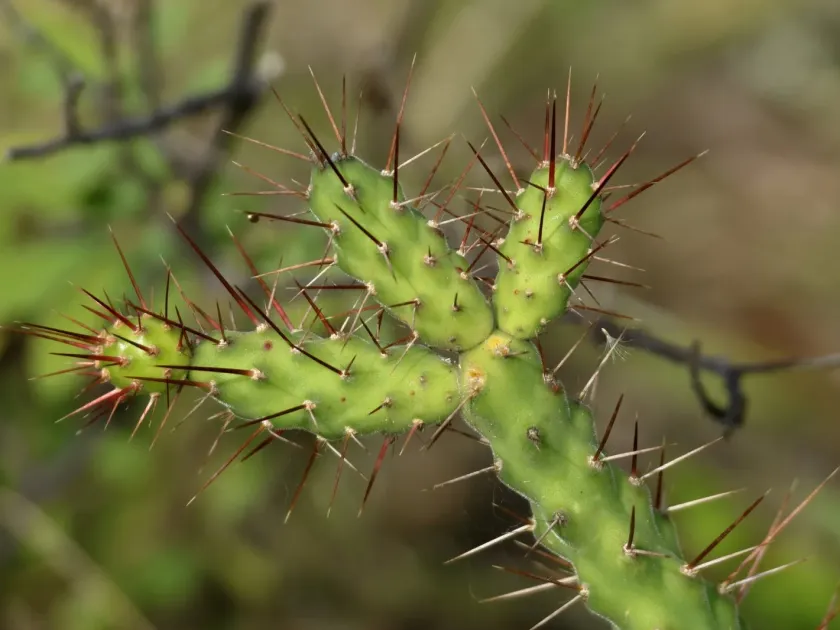
Description
Sowing dates
Seeds of Opuntia pubescens are primarily sown during the spring season when the daylight hours begin to increase significantly. March or April is considered the optimal time for sowing, allowing seedlings to strengthen before the onset of cooler autumn temperatures.
A light, sandy substrate, which has been sterilized to prevent fungal infections, is used for germination. Seeds are distributed on the soil surface, covered with a thin layer of sand, and kept under glass to maintain high humidity levels.
The temperature regime for successful germination should consistently remain between 22 and 25 degrees Celsius. It is crucial to ensure regular ventilation of the containers to avoid stagnant air and the development of pathogenic microflora within the improvised greenhouse.
Pricking out young plants is performed after the formation of the first pair of fully developed cladodes. At this stage, it is essential to be very careful, as the young shoots of Opuntia are covered with tiny, almost invisible glochids that can cause skin irritation.
The second method of reproduction is vegetative, carried out by cutting segments. The cuttings are pre-dried for several days until a callus forms, after which they are planted in a dry soil mixture, with watering beginning only a week later.
Growing requirements
Opuntia pubescens is a heat-loving plant of the Cactaceae family, originating from the high-altitude regions of Mexico and South America. It is perfectly adapted to semi-desert conditions and is highly demanding of intense sunlight throughout the entire growing season.
Normal crop development requires well-drained, slightly acidic, or neutral soils. The substrate must contain coarse sand, perlite, or fine gravel to prevent moisture stagnation at the root neck, which is lethal for cacti.
Watering should be moderate during the summer: the soil must dry out almost completely between waterings. In winter, the plant requires a dormant period at reduced temperatures (about 5–10 degrees) and virtually no watering.
The crop is extremely sensitive to excessive air humidity, so in regions with frequent rainfall, it should be grown in protected ground or greenhouses. Opuntia tolerates day and night temperature fluctuations, characteristic of its natural habitat, well.
Regular fertilization with low-nitrogen mineral fertilizers is carried out exclusively during the active growth phase. Excess nitrogen leads to loose stem growth and a decrease in the plant's overall immune resistance to diseases.
Yield
The economic use of Opuntia pubescens is aimed at obtaining biomass containing valuable polysaccharides and bioactive substances. The yield of segments depends on the plant's age and the light intensity provided in the greenhouse.
The fruits of this species can also be used in the food industry, although they are smaller than those of commercial Opuntia species. They are rich in antioxidants and vitamin C, making them a promising raw material for processing.
Productivity under intensive cultivation allows for multiple commercial harvests per season, provided that vegetative growth is managed. The quality of the raw material directly correlates with maintaining the temperature regime during fruit development.
In the agricultural sector, the plant is also valued as an ornamental crop and as material for living fences in regions with a suitable climate. In these cases, productivity is measured by surface coverage density and annual stem growth.
The economic efficiency of cultivating the crop increases when using vertical farming methods, which allows for the optimization of land use and simplifies maintenance procedures.
Main diseases and pests
The most dangerous pest for Opuntia pubescens is the mealybug, which hides in the axils of the segments and under the spines. Systemic insecticides or wiping affected areas with an alcohol solution are used to control them.
Spider mites pose a serious threat in conditions of low humidity and high heat. Their presence is easily identified by the characteristic yellowing of the stems and the appearance of thin webs, requiring immediate treatment with acaricides.
Root rot is the main disease occurring due to poor watering practices and the use of heavy, non-aerated soils. Upon detecting symptoms, the plant requires immediate repotting with the removal of damaged roots.
Viral infections can manifest as deformation of the segments and changes in the epidermis color. There are no methods for treating viruses, so affected specimens must be destroyed to prevent the spread of infection throughout the entire collection or plantation.
- Regular inspection of the root neck;
- Control of equipment hygiene;
- Strict quarantine for new plants;
- Ensuring good ventilation in the greenhouse;
- Prophylactic application of fungicides.
Harvesting
Harvesting of the segments is performed with a sharp, sterile knife to minimize damage to the parent plant. It is important to make the cut at the natural joint, which promotes faster healing of the wound surface.
Fruits are collected after full ripening when they acquire their characteristic color and become soft to the touch. Work must be carried out exclusively with thick gloves due to the presence of glochids, which penetrate ordinary fabric.
After harvest, the fruits should be cooled rapidly to preserve their beneficial properties and extend shelf life. Transportation requires careful handling, as delicate fruit tissues are easily damaged by mechanical impact.
For further processing, the raw material is cleaned of spines and glochids using specialized brush machines. This is a critical stage ensuring the safety of the final product for the consumer.
Storage of the collected produce is carried out in dry, cool, and well-ventilated rooms. When maintaining the temperature regime, the fruits retain their quality for several weeks, which is convenient for logistics and subsequent distribution.