
Opuntia phaeacantha
Opuntia phaeacantha
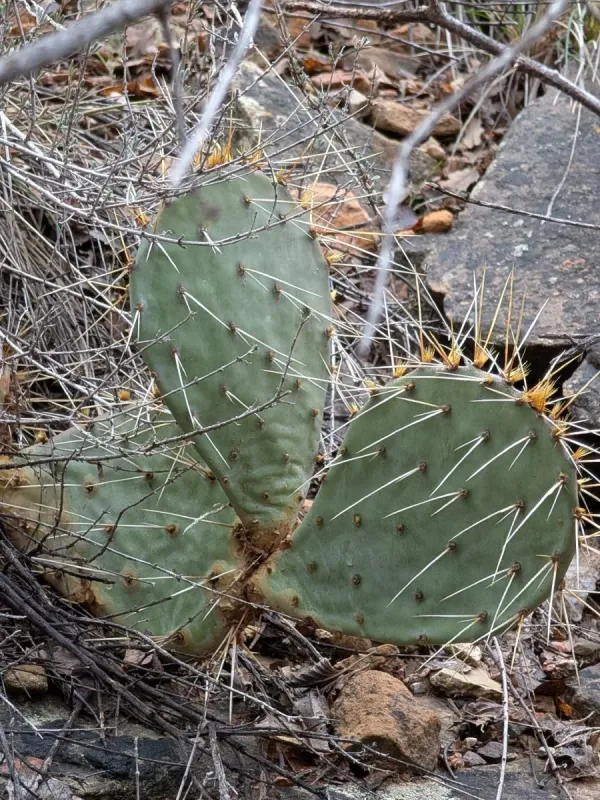
Description
Sowing dates
Opuntia phaeacantha, commonly known as the desert prickly pear, belongs to the Cactaceae family. It is a hardy succulent native to the arid regions of North America, adapted to harsh climate conditions.
Propagation is predominantly achieved through vegetative cuttings (cladodes). These segments should be harvested from healthy parent plants and cured in a dry area for several days to allow the callus to form over the cut surface.
The planting season should ideally begin in late spring when soil temperatures allow for active root development. Cuttings should be placed shallowly in the soil to prevent fungal infections at the base.
Proper spacing is crucial for large-scale operations. A density of approximately 2,500 to 4,000 plants per hectare is often recommended, depending on the specific method of mechanical harvesting.
While seed propagation is possible, it is not preferred for commercial cultivation due to the slow growth rate of seedlings compared to the rapid establishment of rooted cladodes.
Growing requirements
Opuntia phaeacantha requires full sun exposure to maintain optimal physiological activity and biomass accumulation. Shaded areas significantly reduce yield and lead to etiolated, weak growth.
The species is highly adaptable to various soil types but thrives in well-draining, sandy, or rocky soils with neutral to slightly alkaline pH levels. Waterlogging must be strictly avoided.
This crop is exceptionally efficient in water use, employing CAM-photosynthesis. While it survives extreme drought, periodic irrigation during the flowering and fruiting phase can significantly boost crop quality.
It displays remarkable resilience to fluctuations in temperature, including cold snaps, provided that the soil moisture levels are low during the winter dormancy period.
Nutrient management focuses on balanced potassium and phosphorus levels, as excessive nitrogen may encourage overly rapid growth that is more susceptible to structural damage or rot.
Yield
The primary yield consists of edible fruit (tunas) and nutritious cladodes, which can be harvested for fresh consumption, processing into jams, or utilized as forage for livestock in arid regions.
Under optimal management, fruit yield can be substantial, beginning around the third or fourth year after establishment. Annual yields depend heavily on the maturity of the plants and climatic inputs.
Cladodes are harvested before they become woody, as younger pads contain higher moisture content and less fibrous material, making them better suited for various nutritional purposes.
Sustainability is a hallmark of this crop, as once established, a single plantation can remain productive for many years, providing a consistent income source for arid-zone farmers.
Harvesting techniques vary from manual picking for fresh market fruit to mechanical harvesting for forage production, allowing for scalable economic strategies.
Main diseases and pests
Mealybugs are one of the most common pests, often appearing in protected niches on the cladodes. Systemic insecticide applications are standard protocols for significant infestations.
Root and stem rot caused by Phytophthora or Erwinia species can become a major threat if soil drainage is inadequate or if humidity levels remain too high for extended periods.
Spidermites may cause damage during prolonged heatwaves. Regular monitoring and, if necessary, targeted acaricide applications are effective strategies to prevent population explosions.
Wildlife, such as rodents, can sometimes damage the root system or young stems. Implementing physical barriers or integrated pest management strategies is often required in open-field systems.
Maintaining a clean cultivation environment through regular removal of decaying tissue and weeds is the most effective preventative measure against widespread disease development.
Harvesting
Harvesting timing for fruits is determined by color change and total soluble solids (Brix levels). Fruits are generally picked when they reach full maturity to ensure optimal flavor.
The spines of the fruit and the cladodes must be carefully removed or singed off to prevent injury during handling, especially when preparing the product for fresh market retail.
For forage purposes, harvesting of the pads is usually scheduled to avoid peak heat hours, reducing the moisture loss of the succulent tissue after harvest.
Post-harvest storage should occur in cool, ventilated areas to maintain quality and prevent rapid spoilage, especially if the product is destined for long-distance transport.
Proper sanitation of harvesting tools is essential to prevent the spread of plant-to-plant pathogens, ensuring the health of the plantation remains stable throughout the harvesting season.