
Opuntia pailana
Opuntia pailana
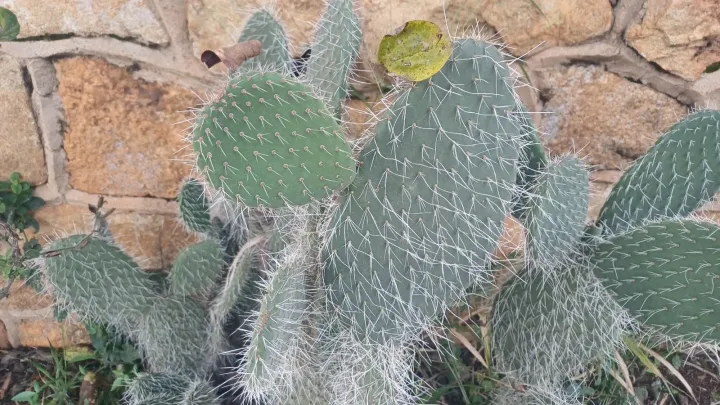
Description
Growing requirements
Opuntia pailana is a distinct species belonging to the Cactaceae family, native to the arid mountainous regions of Coahuila, Mexico. This cactus has evolved to thrive in high-altitude desert environments characterized by sparse precipitation and extreme diurnal temperature variations.
The agronomic success of this culture depends primarily on soil composition. It requires highly permeable, sandy, or rocky substrates with minimal organic matter. Soil aeration is critical to prevent root suffocation and subsequent rot, which is the most common cause of failure in its cultivation.
Climate requirements for Opuntia pailana include high solar radiation and low relative humidity. During the growing season, temperatures ranging from 20 to 35 degrees Celsius promote healthy development. In the dormant winter phase, the plant can tolerate light frosts, provided the soil remains completely dry.
Botanically, the species is defined by its robust cladodes (pads) which act as water storage organs. The epidermis is protected by thorns and a waxy cuticle, which serves as both a defense mechanism against herbivores and a barrier to excessive transpiration.
The primary agricultural use of Opuntia pailana is in xeriscaping and sustainable landscaping, where it serves as a low-maintenance, drought-tolerant crop. It is also valued by collectors and in botanical research for its unique genetic adaptations to high-stress environments.
Main diseases and pests
Fungal pathogens are the most significant threat to the health of Opuntia pailana. Fusarium wilt and various stem rots proliferate rapidly when the plant is subjected to poor drainage or overly humid environmental conditions.
Pests such as mealybugs and scale insects represent a constant challenge in both greenhouse and outdoor environments. These insects hide in the areoles of the cactus, extracting vital fluids and weakening the plant's structural integrity.
Cactus moth larvae can cause severe systemic damage by burrowing into the inner tissues of the cladodes. Integrated pest management strategies, including biological control agents and manual removal of infested segments, are essential for maintaining a healthy crop.
Solar stress may manifest as "sunscald" on the surface of the pads, especially when plants are moved from shaded conditions to direct sunlight too rapidly. A gradual acclimatization process is recommended for juvenile plants.
Excessive humidity during the dormancy period can trigger physiological collapse. Proper air circulation and controlled environmental management are the best preventative measures against the development of pests and diseases.