
Opuntia monacantha
Opuntia monacantha
Description
Growing requirements
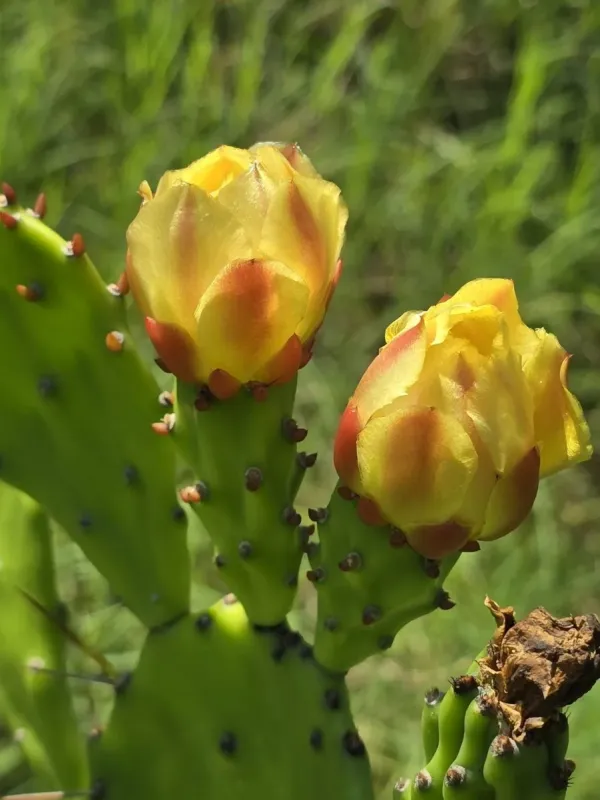
Opuntia monacantha is a resilient member of the Cactaceae family, native to the tropical and subtropical regions of South America. It is recognized for its segmented, paddle-like stems and its ability to thrive in nutrient-poor, arid soils.
In an agricultural context, this species requires full sun exposure to maintain structural integrity and promote growth. The soil must be exceptionally well-drained, as the root system is prone to rotting in waterlogged environments.
Climate requirements include warm temperatures throughout the year, with an ideal growth range between 20°C and 30°C. While it displays high heat tolerance, it must be protected from freezing temperatures, which can cause severe cellular damage.
Water management is critical; during the active growing season, moderate watering is necessary, whereas during the dormant winter period, moisture should be significantly restricted to prevent physiological stress.
The plant has diverse economic applications, serving as a source of natural dyes, a functional fodder crop in drought-prone areas, and an effective barrier plant in landscape management.
Main diseases and pests
Mealybugs are the primary pest affecting Opuntia monacantha, as they nest in the crevices of the pads and suck vital sap. Careful monitoring and systemic insecticide applications are recommended for control.
Root rot, often caused by Phytophthora or Pythium species, remains the most significant disease threat due to improper irrigation practices. Improving soil drainage is the primary method of mitigation.
Scale insects often colonize the epidermis of the cactus, creating visible bumps and weakening the plant's metabolic capacity. Manual removal or horticultural oils are typically effective interventions.
Fungal leaf spots can occur when humidity levels are excessively high and air circulation is poor, leading to cosmetic damage and reduced plant vigor.
Nematodes, specifically those attacking the roots, can impede nutrient uptake, leading to stunted growth. Using certified, sterilized propagation material helps prevent soil-borne infestations.