
Opuntia microdasys
Opuntia microdasys
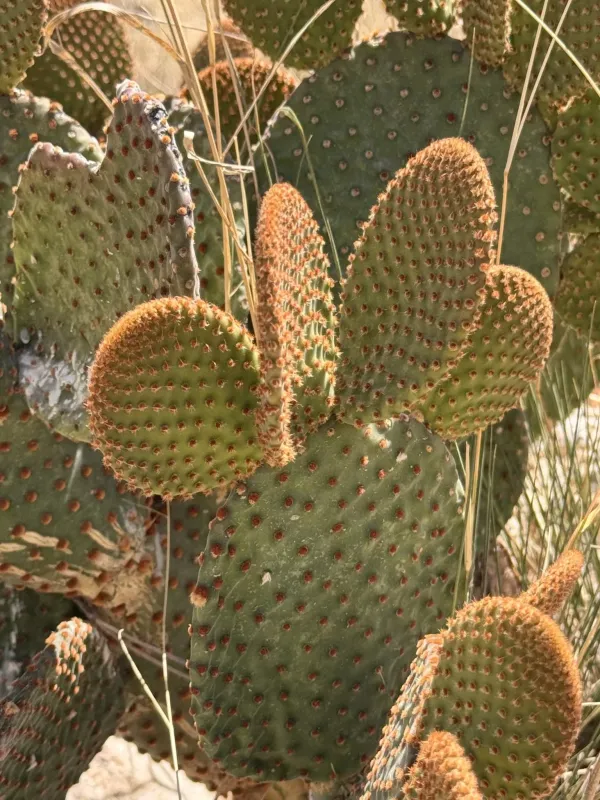
Description
Sowing dates
Sowing seeds of Opuntia microdasys is best performed in the spring season, typically from March to April, to coincide with increasing daylight hours.
To ensure high germination rates, the seeds require a consistent soil temperature ranging between +22 and +25 degrees Celsius during the initial phase.
The growing medium must be a light, sandy, and well-draining substrate to prevent waterlogging, which is detrimental to the developing seedlings.
Seeds should be sown at a depth of no more than 0.5 centimeters, followed by covering the container to maintain the necessary humidity levels.
Pricking out the seedlings should only be done once the young cacti have established a firm root system and developed their first set of glochids.
Growing requirements
Opuntia microdasys belongs to the Cactaceae family and is native to the arid and semi-arid regions of Mexico, adapted to harsh, dry climates.
The plant is highly heliophilic and requires at least 6 to 8 hours of direct sunlight daily to maintain its structural integrity and health.
Soil requirements focus on mineral-rich, stony, or rocky substrates with a neutral to slightly acidic pH, mirroring their natural habitat.
During the growing season, watering should be moderate and only performed when the soil has completely dried out to avoid root rot.
A dormant period during winter, with temperatures kept between +8 and +12 degrees Celsius and minimal water, is essential for its cycle.
Yield
While primarily cultivated for ornamental purposes, the plant represents a potential source of biomass in specific agricultural contexts.
Industrial propagation focuses on the production of pads (cladodes), which are utilized for both sale and further vegetative expansion of the crop.
Productivity is measured by the number of healthy pads produced per plant annually, which increases with optimal light and mineral nutrition.
The fruits are edible but require careful handling and post-harvest processing to remove the microscopic, barbed glochids on the skin.
Yield stability depends heavily on consistent management of temperature and light exposure, preventing physiological stress that halts growth.
Main diseases and pests
The most common threat to this culture is root rot, typically caused by overwatering or poor drainage in the potting medium.
Mealybugs are a frequent pest, often hiding in the crevices between the segments and feeding on the succulent's plant juices.
Spider mites can become a significant issue in low-humidity environments, damaging the epidermis and reducing the plant's decorative value.
Scale insects may also attach to the pads, requiring either mechanical removal or the application of appropriate systemic insecticides.
- Root rot from overwatering.
- Mealybugs.
- Spider mites.
- Scale insects.
- Fungal infections in humid conditions.
Harvesting
Harvesting of vegetative pads is performed during the active growth phase using sterilized cutting tools and protective leather gloves.
After harvesting, the segments must be cured in a dry, ventilated area for several days to allow the cut surface to callus over.
Fruit collection should occur once the fruits have achieved full maturity, identifiable by their characteristic color changes and softening.
Because glochids easily detach and penetrate the skin, it is mandatory to use heavy-duty gloves throughout the entire harvest process.
Post-harvest treatment involves brushing off the surface or careful singing of the fruit to remove all hazardous spines before preparation.