
Opuntia martiniana
Opuntia martiniana
Description
Growing requirements
Opuntia martiniana is a perennial succulent belonging to the Cactaceae family. Originally native to the southwestern United States, specifically Arizona, this species has adapted to survive in harsh, arid desert environments with minimal rainfall.
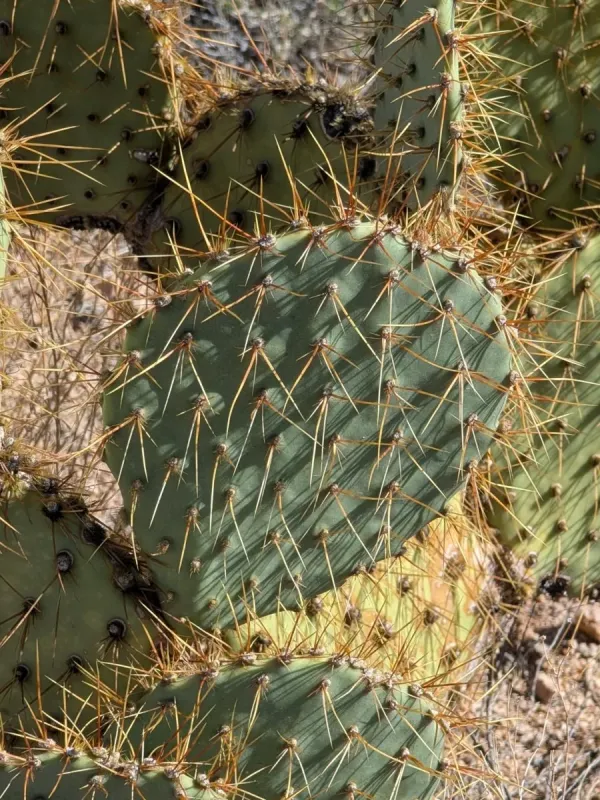
The plant is characterized by its distinct, flattened cladodes which act as water reservoirs. Its botanical structure is reinforced with strong spines that serve both as protection against herbivores and as a mechanism to minimize transpiration in high-heat conditions.
Successful cultivation requires high levels of solar radiation and porous, well-draining soil. Ideal growing media consist of rocky or sandy compositions to prevent the accumulation of moisture, which is the primary cause of plant death in domestic settings.
The plant thrives in temperatures between 20°C and 35°C during the growing season. While it is highly drought-tolerant, supplemental hydration during the hottest months promotes more robust vegetative growth and health.
In agricultural practice, Opuntia martiniana is utilized for xeriscaping and sustainable land management in arid climates. It provides a viable option for biomass production where traditional crop cultivation is not feasible due to water scarcity.
Main diseases and pests
The primary threats to this species include fungal infections such as root rot and stem spot disease. These pathogens typically emerge in environments with poor drainage and high humidity levels, necessitating strictly controlled irrigation schedules.
Insect pests, specifically mealybugs and spider mites, are common nuisances that thrive in stagnant air conditions. Integrated pest management, including regular inspection and the use of targeted acaricides or insecticides, is recommended to ensure plant vitality.