
Opuntia lagunae
Opuntia lagunae
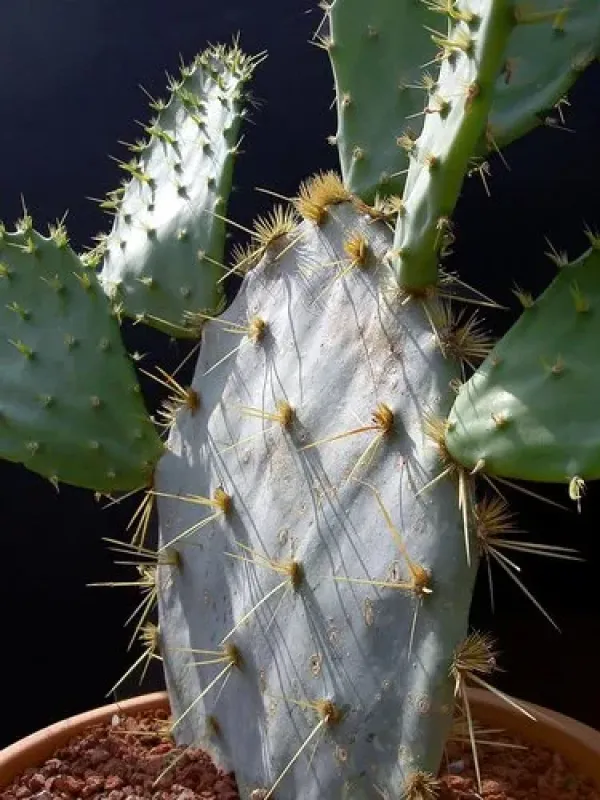
Description
Growing requirements
Opuntia lagunae is a member of the Cactaceae family, natively found in the Baja California peninsula. This succulent species is highly adapted to arid environments, making it a specialized subject for xerophytic cultivation.
The primary requirement for this crop is high light intensity. To maintain healthy, compact growth, Opuntia lagunae needs full sun exposure. In greenhouse conditions, supplemental lighting is recommended during shorter daylight periods to prevent etiolation.
Soil requirements focus on drainage. The ideal substrate consists of a mixture of coarse sand, perlite, and mineral-rich gravel, ensuring that water passes through quickly to prevent saturation and oxygen depletion in the rhizosphere.
Climate management involves mimicking desert cycles. During the active growing season, temperatures should remain warm, while a winter dormancy period with cooler temperatures (around 10-15°C) is essential to trigger natural developmental rhythms.
Watering practices are critical for this species. Agricultural protocols dictate a strict "soak and dry" method, where moisture is applied only when the root zone is completely desiccated to avoid long-term physiological stress.
Main diseases and pests
Mealybugs are the most prevalent pest affecting Opuntia lagunae. These insects cluster in the crevices between pads and near the spines. Systemic insecticides or topical applications of insecticidal soaps are typically effective for management.
Spider mites pose a significant threat during periods of low humidity. They feed on the epidermis, leaving characteristic yellowed or stippled spots, which can permanently scar the plant's surface if left untreated.
Root rot, often caused by Phytophthora or Pythium fungi, is the primary disease risk. It is almost always a result of overwatering or inadequate soil drainage, requiring strict irrigation management.
Fungal spot infections may develop if the plants are kept in stagnant air conditions with high humidity levels. Increasing airflow is the most effective cultural control method to prevent disease spread.
Scale insects can also colonize the pads, causing localized damage. Regular inspections and immediate manual removal or targeted treatment are necessary to maintain the health and vigor of the individual plants.