
Opuntia huajuapensis
Opuntia huajuapensis
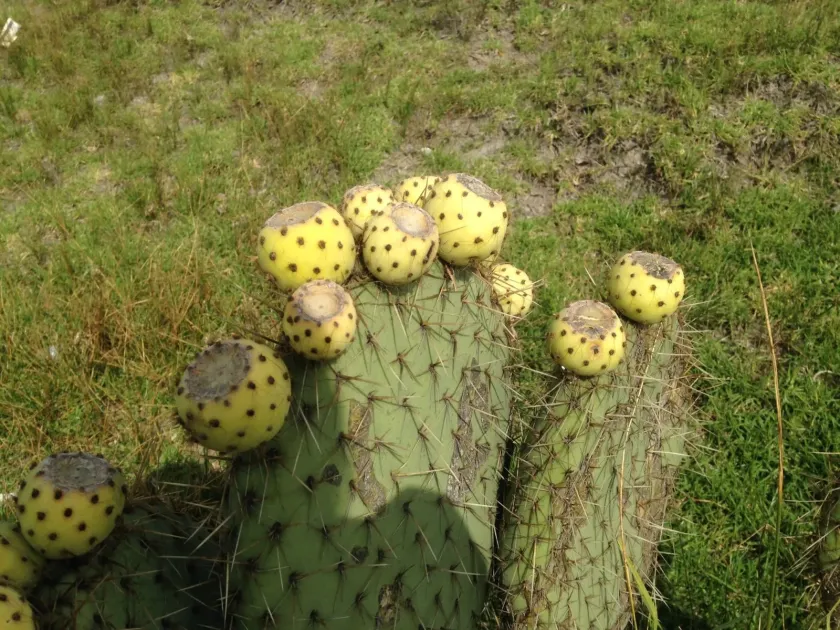
Description
Growing requirements
Opuntia huajuapensis is a perennial succulent species belonging to the Cactaceae family. This plant is recognized for its tree-like or shrubby growth habit, featuring flattened segments known as cladodes that are characteristic of the genus.
Native to the arid regions of Mexico, specifically the state of Oaxaca, this species is highly adapted to environments with limited rainfall and intense solar exposure. It thrives in high-temperature settings where water availability is erratic.
The crop requires well-drained, porous soils to thrive. Sandy or rocky substrates are ideal, as they prevent the root system from remaining in waterlogged conditions, which could otherwise lead to rapid tissue decay and plant mortality.
Optimal climatic conditions for Opuntia huajuapensis include plenty of direct sunlight and a subtropical temperature regime. While it possesses some cold tolerance, prolonged frost events can severely damage its vegetative structure and reduce subsequent yields.
Proper field management focuses on maintaining appropriate spacing between individual plants to ensure adequate ventilation. This is crucial for minimizing the humidity levels around the cladodes, which helps prevent various fungal pathogens.
Yield
The primary commercial objective of Opuntia huajuapensis cultivation is the production of edible fruits. These fruits are highly prized for their nutritional profile, containing essential sugars, vitamins, and minerals suitable for fresh consumption or industrial processing.
In addition to its fruit, the plant's cladodes serve as a valuable source of succulent fodder in livestock production, particularly in drought-stricken areas where traditional forage crops fail. Removing the glochids is a standard procedure before feed use.
Yield stability is largely dependent on consistent agronomic practices during the flowering and fruit development phases. Strategic irrigation during the driest periods can enhance fruit size and overall productivity without inducing root health issues.
The harvest process necessitates the use of protective gear due to the presence of small, sharp glochids covering the fruit surface. Post-harvest, fruits undergo mechanical brushing to ensure they are safe and attractive for market distribution.
Cultivating Opuntia huajuapensis offers significant economic potential for degraded lands. By integrating this cactus into agricultural systems, farmers can produce reliable crops on marginal lands while minimizing inputs such as water and fertilizers.
Main diseases and pests
Fungal diseases are the most significant threat to this crop, particularly when ambient humidity is high or soil drainage is insufficient. Symptoms often include localized rotting of the cladodes or dark spots that can compromise plant health.
Pests such as mealybugs and various cactus-boring larvae pose serious challenges. These pests weaken the plant by feeding on its sap or tunneling into the tissues, providing entry points for secondary bacterial or fungal infections.
Effective management includes regular monitoring of the plantations to detect early signs of infestation. Integrated Pest Management (IPM) strategies, including biological controls, are preferred to minimize the chemical residue on the harvested fruits.
Sanitation is a critical component of disease control. Removing and properly destroying any infected plant tissue immediately prevents the spread of pathogens to surrounding healthy individuals, maintaining the plantation's overall productivity.
Balanced fertilization is essential for plant vigor; excessive nitrogen can lead to succulent, soft growth that is more susceptible to insect attacks. Strengthening the plant's natural defenses through proper maintenance is the best prophylactic measure.