
Opuntia howeyi
Opuntia howeyi
Description
Growing requirements
Opuntia howeyi is a perennial succulent plant belonging to the Cactaceae family. In its natural habitat, this species grows in the arid zones of North America, preferring stony and well-drained soils with low organic content.
For successful plant growth, high-intensity sunlight and low air humidity are essential. The crop demonstrates high drought tolerance but requires protection against prolonged exposure to sub-zero temperatures, which are characteristic of temperate latitudes.
The soil mixture for this Opuntia should have a neutral or slightly alkaline pH. An optimal choice is a substrate based on turf soil, coarse sand, and gravel rubble in a 1:2:1 ratio to ensure rapid drainage of excess water.
In greenhouse or indoor growing conditions, providing quality air circulation is crucial. Stagnant moisture in the root zone is a critical factor that leads to irreversible rotting of the root system.
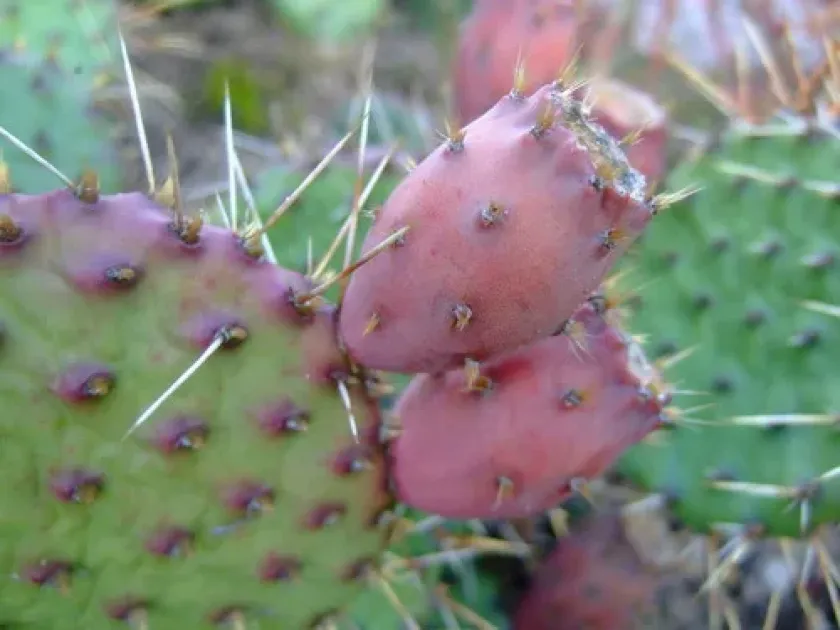
Biologically, the plant is a branched shrub with flat, segmented stems known as cladodes. On the surface of the shoots are areoles with tiny spines called glochids, which require careful handling during agricultural activities.
Main diseases and pests
The main threat to Opuntia howeyi is fungal diseases, which develop due to excessive watering and poor ventilation. Root rot and fusarium are the most common issues that affect the base of the stem.
Among pests, mealybugs and spider mites pose the greatest danger to cacti. These insects feed on cell sap, causing deformation of young cladodes and weakening the plant's natural immune system.
To combat mealybugs, the use of systemic insecticides, which are absorbed by the plant tissues, is effective. It is important to conduct regular inspections of the root zone, as pests often hide in the crevices between the segments.
Prevention of viral and bacterial infections involves maintaining a dry regime during the winter dormancy period. Any mechanical damage to the cactus skin should be treated with charcoal powder to prevent infection.
On a commercial scale, pest control is managed using biological methods or localized treatment with oil-based preparations that block the respiratory tracts of the insects.