
Opuntia excelsa
Opuntia excelsa
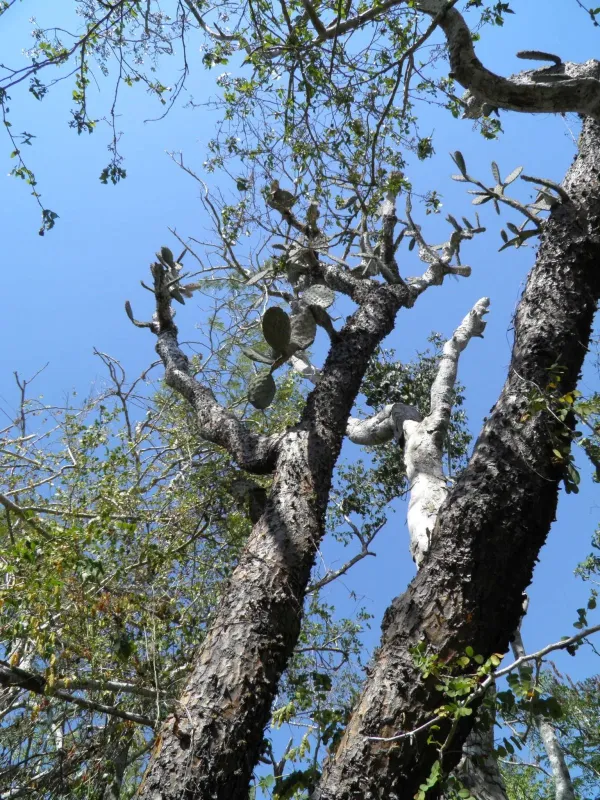
Description
Sowing dates
Propagation of Opuntia excelsa is primarily performed vegetatively by rooting individual cladodes. The optimal time for planting is early spring, ensuring that the soil temperature is sufficient to support root development.
Before planting, the cut surface of the cladode must be dried for several days to prevent tissue rot. Planting is done in well-spaced rows to allow the plants enough room for mature growth.
Seed-based propagation is used mainly for breeding and requires controlled greenhouse conditions. Seeds are planted in a sandy, well-draining medium and require high humidity and warmth to germinate successfully.
A crucial factor for successful rooting is the use of porous, well-aerated soil. Heavy, water-retaining soils must be avoided as they pose a major threat to the cactus root system.
Young plants benefit from partial shade during the first few weeks to protect them from excessive UV rays. Once established, the plants become highly resistant to environmental stressors.
Growing requirements
Opuntia excelsa is a member of the Cactaceae family, perfectly adapted to arid environments. The plant demands maximum sun exposure throughout the day to ensure efficient photosynthesis and growth.
The culture thrives in rocky, sandy, or loamy soils with excellent drainage capabilities. Soils that remain waterlogged for extended periods will invariably lead to root decay and plant mortality.
The ideal soil pH is near neutral or slightly alkaline. Opuntia excelsa shows high tolerance to various mineral conditions, making it suitable for land that is often considered marginal for other crops.
Climatic requirements focus on warmth; the species is sensitive to prolonged freezing temperatures and high humidity levels. Dry, hot climates are the preferred environment for large-scale cultivation.
Agricultural management is minimal, focusing on irregular irrigation during extremely dry seasons. Supplemental fertilization is generally limited to potassium and phosphorus to support structural integrity.
Yield
The agricultural value of Opuntia excelsa lies in the production of biomass for animal fodder and, in some cases, human consumption of its fruit. High yields depend on proper density and plant health.
Regular pruning is essential to stimulate the growth of new lateral shoots and maintain the productivity of the plantation. This practice ensures a steady supply of biomass throughout the season.
Economic productivity peaks when plants reach 3 to 10 years of age. Beyond this period, rejuvenating pruning or replanting is recommended to maintain optimal yield levels per hectare.
Harvesting requires specialized protective gear due to the presence of glochids, the tiny, barbed bristles found on both the stem and fruit. Manual harvesting is the standard, as the structure of the plant makes full mechanization difficult.
Yield metrics show that this cactus is a viable crop for regions facing water scarcity. Its ability to produce volume in harsh conditions makes it a significant asset for sustainable agriculture.
Main diseases and pests
The most significant threat to Opuntia excelsa is fungal and bacterial rot, usually caused by over-irrigation or stagnant water in the root zone. Prevention is more effective than treatment.
Pests such as mealybugs and scale insects are common. These insects feed on the plant's sap, weakening its structure and often introducing secondary infections like sooty mold.
Cactus-specific borers can cause severe damage by tunneling into the cladodes. Regular monitoring of the plantation is required to detect early signs of infestation and apply targeted systemic insecticides.
Cultural practices, including proper plant spacing and weed control, are essential to maintain airflow. Reduced airflow between plants creates humid pockets that favor the spread of diseases.
If local infection occurs, the infected parts should be surgically removed to save the rest of the plant. Opuntia species are highly resilient and capable of healing after tissue damage if conditions are corrected.
Harvesting
The harvest of cladodes is performed when the plant is at its peak metabolic activity. The shoots are detached carefully to avoid harming the parent plant, allowing for continued growth.
Fruit harvest takes place once the fruit has reached full maturity, signaled by a characteristic color change. Harvesting at the right time ensures both quality and shelf life of the final product.
Manual tools are used to cut the harvestable parts. The cuts should be kept clean and sharp to minimize trauma to the tissue and ensure quick drying of the wound.
Post-harvest, the fruit is cleaned of glochids using specialized brushes or by passing them through a flame. This process is necessary to make the fruit suitable for commercial distribution.
Stored produce must be kept in cool, well-ventilated areas to prevent spoilage. Properly handled harvests can be stored for several weeks without significant loss of nutritional value.