
Opuntia ellisiana
Opuntia ellisiana
Description
Growing requirements
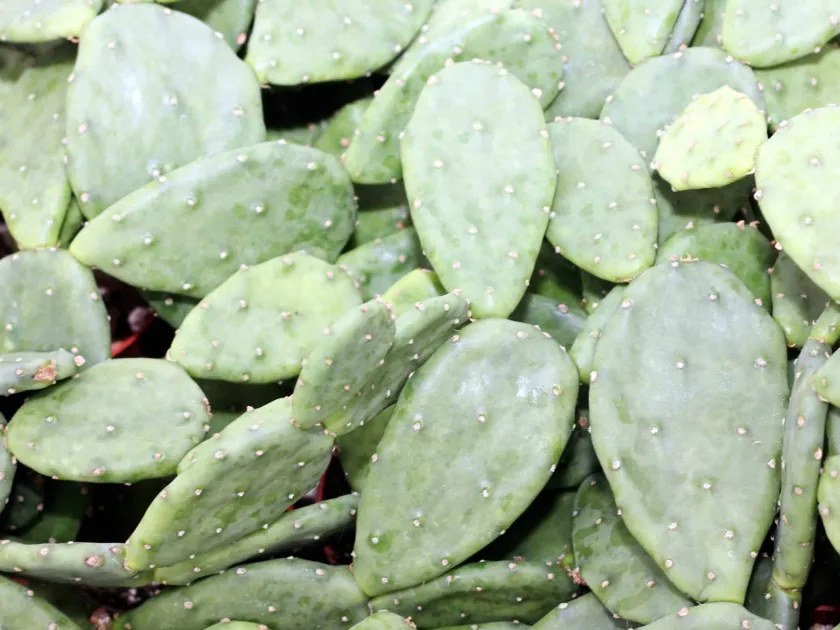
Opuntia ellisiana, commonly known as a spineless prickly pear, is a robust succulent belonging to the Cactaceae family. It is highly valued in arid agricultural systems for its resilience and ability to thrive in poor, dry soil conditions where other crops would fail.
Originating from the arid regions of North America, this species has adapted to extreme thermal fluctuations. It requires full sunlight exposure to synthesize energy and maintain the structural integrity of its flattened stem segments, known as cladodes.
The ideal soil profile for this crop consists of well-draining, sandy, or volcanic substrates. Preventing water stagnation is paramount, as the root system of Opuntia ellisiana is extremely susceptible to anaerobic conditions which lead to rapid decay.
Climatically, this plant prefers warm, arid environments with low humidity. It can tolerate significant heat, making it an excellent candidate for regions experiencing long-term drought or desertification processes.
In terms of agricultural management, the plant requires very little maintenance. Irrigation should be applied strategically, primarily during the establishment phase, to encourage deep root growth and stabilize the plant in its environment.
Yield
The primary agricultural use of Opuntia ellisiana is as a high-quality forage crop. Its cladodes are rich in water, carbohydrates, and essential minerals, making them an invaluable supplementary feed for livestock during drought seasons when pasture grass is unavailable.
One of the most significant benefits of this specific cultivar is its lack of large spines or glochids. This trait greatly facilitates harvesting and processing, as it eliminates the need for labor-intensive burning or mechanical cleaning before feeding animals.
With proper spacing and management, plantation yields remain consistent over time. Periodic harvesting of cladodes encourages new growth, allowing for multiple harvests within a single growing season under optimal management conditions.
The plant also produces edible fruits that can be harvested for human consumption. These fruits are increasingly popular in the health food industry due to their high vitamin content and antioxidant properties.
As a sustainable land-use option, Opuntia ellisiana prevents soil erosion by covering the ground and protecting the topsoil from wind and water scour, while providing a constant source of biomass for farm operations.
Main diseases and pests
The main threats to Opuntia ellisiana are fungal pathogens, specifically those that thrive in high-humidity or poorly drained areas. Root rot and stem spotting are common issues that can destroy entire sectors of a crop if left unmanaged.
Insect pests, most notably mealybugs and spider mites, are frequent challenges. These organisms feed on the sap of the cladodes, reducing the overall vitality of the plant and creating entry points for secondary bacterial infections.
To mitigate these risks, it is essential to maintain proper spacing between rows to ensure adequate airflow. Reducing moisture levels around the base of the plant is the most effective way to prevent fungal outbreaks.
Mechanical damage caused during the harvesting process can also invite pests and diseases. Clean tools and proper disinfection techniques are recommended when performing pruning or mass collection to keep the plantation healthy.
Monitoring for any signs of discoloration or wilting at the base of the cladodes is a crucial part of daily field management. Early detection of localized infections can save a significant portion of the harvest from permanent loss.