
Opuntia elatior
Opuntia elatior
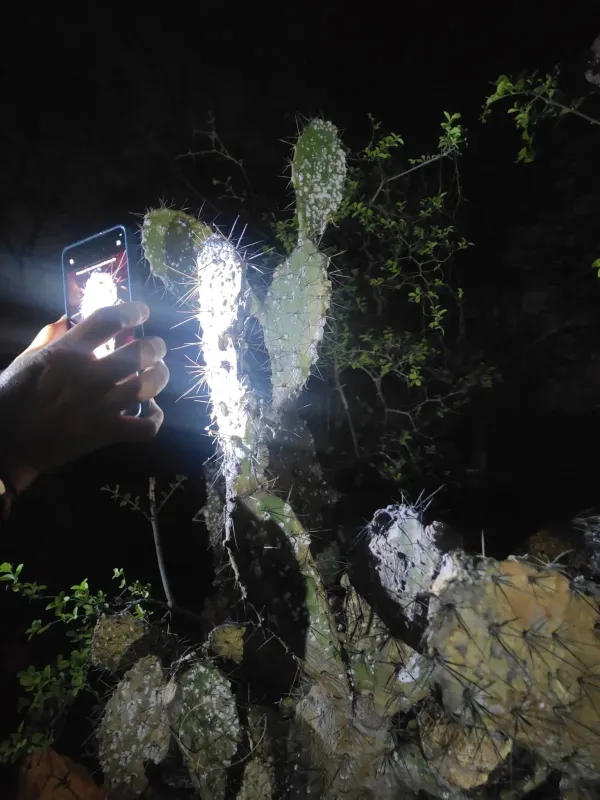
Description
Growing requirements
Opuntia elatior is a remarkable tree-like cactus species belonging to the Cactaceae family. It is recognized for its robust growth, large segments, and significant adaptability to arid environmental conditions.
Originating from parts of Central and South America, such as Colombia and Venezuela, this species has historically thrived in regions with poor soil and high solar radiation. It is highly valued for its ability to survive where rainfall is scarce.
Successful cultivation requires soil that is extremely well-draining, such as sandy or gravelly loam. The plant cannot tolerate waterlogged conditions, which are the primary cause of root rot and total crop failure in commercial settings.
Temperature requirements are high, with the plant favoring constant warmth. It requires full, direct sunlight throughout the day to ensure efficient photosynthesis and the proper development of its fruit clusters.
The agricultural utility of this plant is diverse: it is used for fruit production, forage for livestock, and as natural living fences. Its low water requirement makes it a sustainable crop for regions suffering from climate change.
Main diseases and pests
Fungal pathogens are the most significant threats to Opuntia elatior, particularly those affecting the stem and roots. Excessive moisture in the substrate promotes the growth of these destructive fungi.
Insect pests such as scale insects and mealybugs frequently colonize the segments. These pests extract sap, leaving the plant vulnerable to secondary infections and structural damage.
Integrated Pest Management (IPM) is essential for maintaining health in large plantations. This involves regular monitoring of the segments and the application of appropriate biological controls or targeted sprays.
Bacteria can infiltrate through mechanical wounds, causing soft tissue necrosis. Therefore, careful handling during harvesting and pruning is crucial to maintain the longevity of the plantation.
To keep the crop healthy, growers must ensure adequate air circulation between plants. This prevents the buildup of humidity, which is a major factor in the outbreak of leaf spot diseases.