
Opuntia elata
Opuntia elata
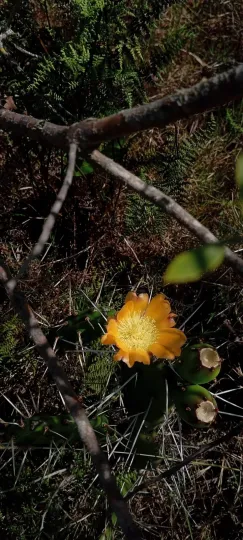
Description
Growing requirements
Opuntia elata is a perennial succulent species belonging to the Cactaceae family. It typically grows as a shrub or a small tree, characterized by flattened, fleshy stem segments known as cladodes, which allow the plant to store significant amounts of water.
This species is native to South America, with a natural range encompassing regions in Paraguay, Uruguay, and Argentina. It has evolved to thrive in arid and semi-arid environments where water availability is periodic and solar radiation is intense.
For successful cultivation, Opuntia elata requires well-drained, sandy or gravelly soils. It is highly intolerant of waterlogged soil conditions, which lead to root rot and fungal infections; therefore, proper land leveling or mound planting is essential for commercial setups.
The plant is heliophilic, meaning it requires full exposure to direct sunlight throughout the day. Sufficient solar energy is critical for the plant to achieve its maximum biomass potential and to develop high-quality, nutrient-rich fruit.
While the species is hardy in hot climates, it generally prefers temperatures ranging from 20°C to 35°C. Exposure to prolonged frost or freezing temperatures can cause irreversible damage to the water-filled tissues of the cladodes.
Yield
Opuntia elata is highly valued in arid agriculture as a strategic forage crop. Its ability to maintain vegetative growth during drought periods provides a vital food source for livestock when traditional pasture grasses wither.
The fruits of Opuntia elata are edible and commercially viable. They are rich in vitamins, minerals, and antioxidants, making them a suitable raw material for the food industry, including the production of juices, jams, and natural food colorings.
Beyond animal feed and human consumption, the biomass of Opuntia species is being explored for its potential in bio-energy production and as a natural soil amendment, as it decomposes efficiently to contribute organic matter to poor soils.
Yield efficiency depends largely on plant density and the implementation of supplemental drip irrigation systems. When managed properly, the plantation can produce a substantial amount of green fodder per hectare annually.
The economic sustainability of this crop is high, given its low water requirement and its capacity to thrive on marginal lands where other conventional agricultural crops would fail to survive.
Main diseases and pests
The main threats to Opuntia plantations include fungal pathogens that cause basal and stem rot. These infections are almost always exacerbated by high humidity and poor aeration, particularly in dense plantations.
Insect pests, specifically cochineal insects and various types of mealybugs, represent a common challenge. These pests feed on the sap of the succulent pads, which can significantly stunt growth and degrade the quality of the harvested produce.
Integrated pest management, including regular inspection and the introduction of natural predators, is the preferred strategy. Chemical control should be used judiciously to avoid environmental contamination and disruption of local beneficial insects.
Cultural practices such as spacing plants to allow for airflow and pruning to remove diseased or heavily infested cladodes are fundamental to managing health risks and preventing the spread of localized infections.
Establishing a new plantation using healthy, disease-free cuttings is the most important step in preventing long-term threats to the vitality and productivity of the crop.