
Opuntia discolor
Opuntia discolor
Description
Growing requirements
Opuntia discolor is a hardy succulent species belonging to the Cactaceae family. Native to the mountainous regions of Argentina and Bolivia, this plant has evolved to survive in high-altitude environments characterized by intense solar radiation and significant daily temperature fluctuations.
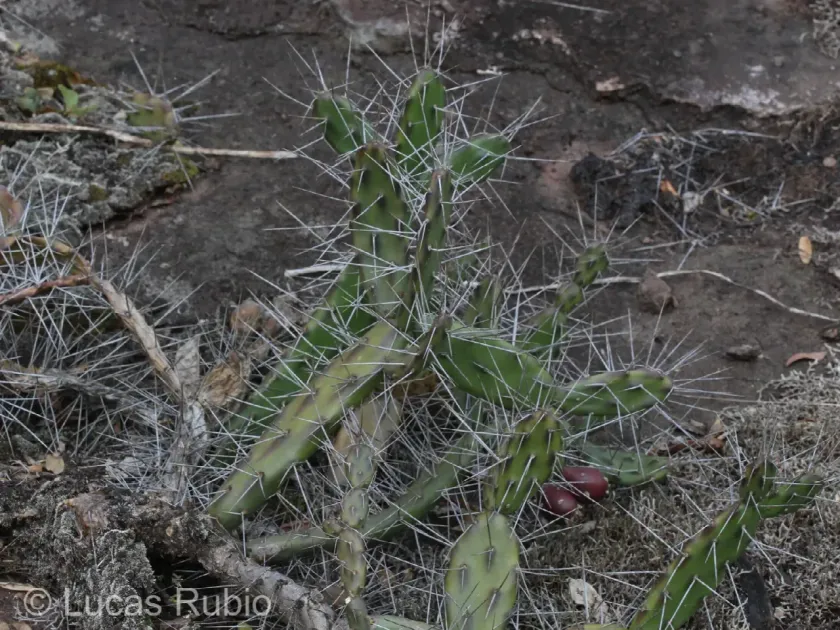
Botanically, the plant is distinguished by its flattened, disc-like stem segments. These segments are covered in areoles, which produce sharp spines that serve as a defense mechanism against herbivores and help mitigate water loss by creating a microclimate on the plant surface.
Agricultural success depends on well-draining soil, typically a mix of sand, gravel, and mineral-rich substrate. High drainage is critical, as the roots are highly susceptible to rot if exposed to waterlogged conditions, particularly during cooler months when growth slows down.
As a light-loving species, Opuntia discolor thrives in full, direct sun. Exposure to optimal light levels is necessary for the plant to maintain its compact, healthy structure and to facilitate the development of vibrant, protective pigments on its epidermis.
The climate requirements involve a warm, dry growing season and a cool, dry dormant season. During the dormant period, it is essential to minimize or withhold watering completely, which allows the plant to safely withstand lower temperatures and prepares it for the spring flowering cycle.
Main diseases and pests
The primary threats to Opuntia discolor are fungal pathogens, specifically those causing root rot and stem decay. These issues are almost exclusively related to poor cultural practices, such as overwatering or inadequate soil aeration, which promote a pathogenic environment.
Pests such as spider mites are a significant concern, especially in greenhouse environments where air circulation may be limited. These mites puncture the skin of the pads, leading to disfigurement and reduced vigor, which can eventually impact the overall health of the specimen.
Integrated pest management should include periodic monitoring for signs of infestation, such as fine webbing or localized yellowing of the epidermis. If detected, treatment with specialized miticides or insecticidal soaps is recommended to mitigate the population before it spreads.
Disease prevention is managed through the strict control of soil moisture levels. Ensuring the substrate dries out completely between waterings is the most effective way to prevent the establishment of fungal colonies that thrive in moist, stagnant conditions.
In addition to watering discipline, maintaining a clean environment and removing debris from around the base of the plant helps to reduce the habitat for common pests and limits the spores of soil-borne pathogens that could infect the plant during wet periods.