
Opuntia delaetiana
Opuntia delaetiana
Description
Growing requirements
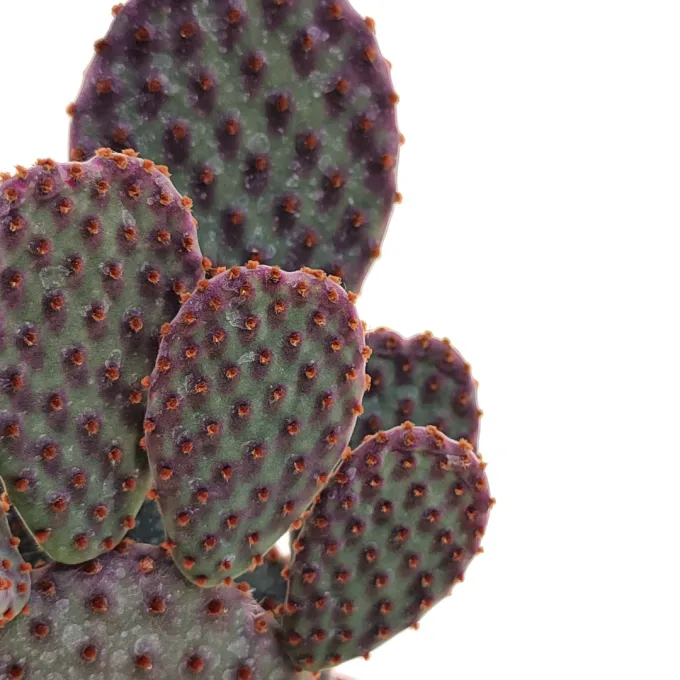
Opuntia delaetiana is a distinctive succulent species belonging to the Cactaceae family. It is characterized by its segmented, flat, and broad pads which are covered with glochids and occasionally spines, serving as efficient moisture storage units.
Originating from the arid regions of South America, specifically Argentina and Paraguay, this species has evolved to thrive in harsh environments. It is an ideal candidate for cultivation in drylands where water scarcity limits traditional crop production.
The primary cultivation requirement for this cactus is high solar radiation. For optimal development, the plants must be situated in areas with full sun exposure to maintain their compact structure and promote the metabolic processes necessary for growth.
Soil management is critical; the plants demand a well-draining, sandy, or rocky substrate. In agricultural settings, high-quality drainage is essential to prevent water saturation at the root zone, which can lead to rapid physiological decline.
Temperature management should focus on avoiding prolonged frost. While mature plants show some resilience to cold, active growth occurs in warm temperatures, typically between 20 and 30 degrees Celsius, requiring careful monitoring in cooler agricultural zones.
Yield
The economic value of this crop is multifaceted, ranging from the production of edible fruits rich in antioxidants to the use of cladodes (pads) as forage. Sustainable harvesting techniques allow for consistent yield cycles in arid climates.
Main diseases and pests
Common agricultural threats include infestation by cochineal scale and spider mites, which can cause significant damage to the epidermis. Pathogens such as Fusarium fungi remain the primary concern, particularly during periods of high humidity and poor soil ventilation.