
Opuntia dejecta
Opuntia dejecta
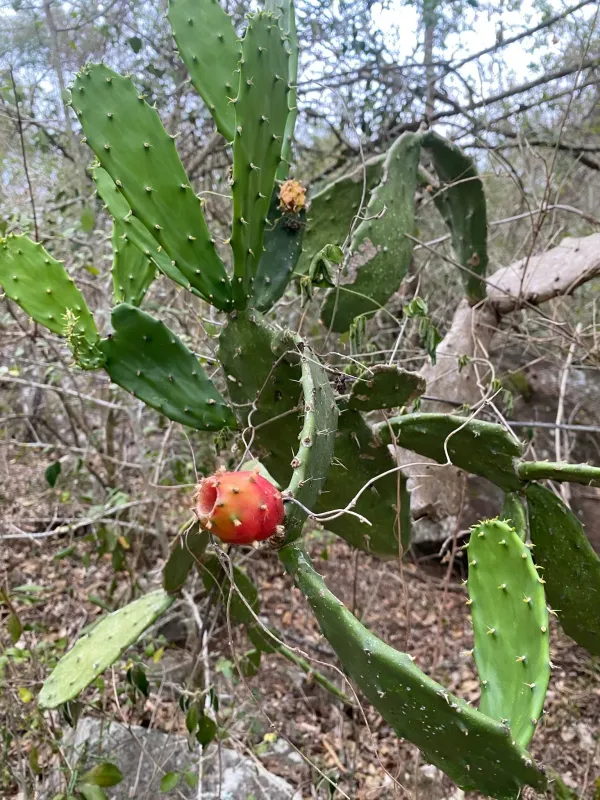
Description
Sowing dates
Propagation of Opuntia dejecta is most effectively achieved through vegetative cutting of stem segments. The optimal time for this procedure is during the active growth phase in spring and summer, when temperatures consistently remain above 20°C.
Prior to planting, each cutting must be left in a shaded area for several days to allow a callous tissue to form over the cut. This drying process is essential to prevent rotting when the cutting is placed in contact with soil moisture.
A well-draining, sandy substrate is necessary for successful rooting. Good aeration is vital for the development of a healthy root system, and moisture must be controlled carefully to prevent initial decay.
While seed propagation is biologically possible, it is rarely used in agricultural practice due to long germination times and the need for specific environmental conditions. Vegetative propagation ensures true-to-type growth and faster maturation.
Selecting a planting site with intense, full-day sunlight is critical. Opuntia dejecta requires significant solar exposure to thrive, as shade-grown plants often become etiolated and lose their natural disease resistance.
Growing requirements
Opuntia dejecta is a perennial succulent belonging to the Cactaceae family, known for its exceptional drought tolerance. It is adapted to tropical and subtropical climates and should be protected from temperatures below 10°C.
The plant demands well-drained, neutral, or slightly acidic soils. Any form of waterlogging is detrimental, as it quickly leads to fungal infections and root rot, which are the primary threats to the health of these succulents.
This crop exhibits remarkable efficiency in managing stored moisture within its fleshy stems. Such biological adaptations allow it to maintain growth and fruit production even during extended dry seasons in arid regions.
Watering should be moderate, performed only during the active growth stages. During the winter dormancy period, watering must be kept at a minimum to ensure the roots do not sit in cold, damp soil, which is a major cause of winter mortality.
Periodic application of mineral fertilizers, specifically those low in nitrogen, is recommended to support sustained growth. Excess nitrogen promotes rapid, weak tissue development that makes the plant more susceptible to pests.
Yield
The economic value of Opuntia dejecta lies in its edible fruits, which are rich in vitamins and antioxidants. Yield depends heavily on adequate sunlight, proper nutrient management, and well-structured irrigation practices.
Plants generally enter a productive phase a few years after rooting. Systematic pruning of older segments encourages the development of new shoots, which subsequently produces flowers and a higher volume of fruit.
Opuntia fruits are valued in both local culinary traditions and commercial food processing for juices, jams, and fresh consumption. Their nutritional profile makes them a sought-after crop in suitable climates.
Beyond agricultural use, the species is an excellent choice for landscaping in desert regions, adding to its market potential. Flowering periods enhance the visual appeal, making it a dual-purpose crop for commercial growers.
Optimizing plant spacing is crucial for high yields and ease of maintenance. Proper layout allows for better airflow, which reduces humidity around the stems and simplifies harvesting operations while improving fruit quality.
Main diseases and pests
Common pests affecting Opuntia dejecta include mealybugs and spider mites. These insects thrive in hot, dry environments and feed on the sap of young stem segments, potentially causing stunted growth and tissue damage.
Fungal infections, such as stem rot and spotting, are almost always linked to poor water management or lack of proper ventilation. Removing infected sections and applying fungicides can prevent the spread of these issues.
Biological pest control is often preferred to maintain the quality of the fruits. If synthetic chemicals are used, they must be applied with caution, ensuring that no residue remains on the edible parts of the cactus.
Winter survival poses a risk if humidity levels are high. Proper ventilation and temperature control are necessary to prevent fungal outbreaks during cooler months when plant metabolism slows down significantly.
Sterilizing cutting tools between every plant is a fundamental hygiene practice in Opuntia farming. This simple step prevents the mechanical transmission of viruses and bacterial pathogens across the plantation.
Harvesting
Harvesting Opuntia dejecta requires specific care due to the presence of small, hair-like spines called glochids. Using thick, puncture-resistant gloves and specialized fruit-picking tools is standard practice for safety.
Fruit maturity is indicated by a deep, vibrant color change in the peel. Harvesting is typically done in multiple passes, as not all fruits reach peak ripeness simultaneously, ensuring consistent quality for the market.
Once harvested, fruits must be cleared of glochids, often through mechanical brushing or brief heat treatment. This processing step is vital to make the product suitable for safe consumption and commercial transport.
Fresh fruit has a limited shelf life, making rapid distribution to markets essential. Storing the harvested product in cool, dry areas can help preserve quality for a short period before it reaches the end consumer.
In some regions, young stem segments are also harvested as a vegetable product. These are picked at an early stage of development, offering a secondary source of income for producers utilizing the full potential of the plant.