
Opuntia decumbens
Opuntia decumbens
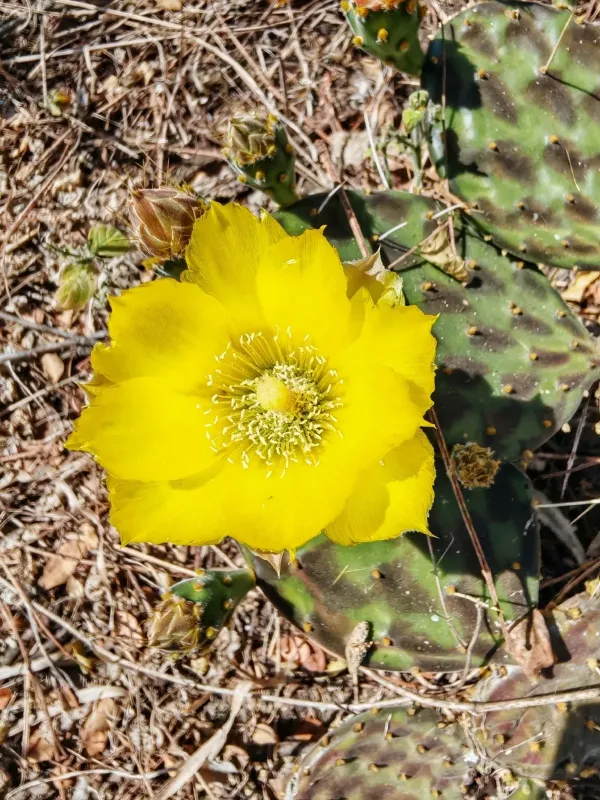
Description
Growing requirements
Opuntia decumbens is a perennial succulent belonging to the Cactaceae family, known for its prostrate, spreading growth habit. The plant is highly adapted to arid environments, possessing the ability to store significant amounts of water within its segments.
Native to Central America, particularly Mexico and Guatemala, this species thrives in open, sunny habitats with well-drained, sandy or rocky soils. It is an excellent candidate for cultivation in regions with limited water availability.
The plant requires high levels of solar radiation to maintain its structural integrity and prevent etiolation. Ideal growing temperatures range from 20°C to 30°C, ensuring optimal metabolic activity during the vegetation season.
Soil requirements are strictly centered on drainage. Opuntia decumbens cannot tolerate waterlogged conditions, which lead to root rot. Soils should have a neutral or slightly alkaline pH and be amended with coarse materials to ensure aeration.
Agricultural management involves minimal irrigation and space planning to accommodate its creeping growth. Vegetative propagation, using individual stem segments, is the standard method for establishing new plantations efficiently.
Yield
The primary economic use of Opuntia decumbens involves its edible fruits, which are consumed fresh or processed into jams and juices. They are rich in antioxidants and essential nutrients, making them a valuable functional food source.
The plant also serves as an important fodder crop for livestock in arid regions. Once the spines are mechanically or chemically removed, the cladodes provide a reliable source of hydration and fiber for grazing animals.
Industrially, the plant is harvested for natural pigments and bioactive compounds. Its mucilaginous content is highly valued in the cosmetic and pharmaceutical industries for its soothing and thickening properties.
Crop yields vary depending on the intensity of farm management and local climatic conditions. A well-maintained plantation can provide consistent yields over a long lifespan without the need for frequent replanting.
Beyond agricultural produce, the plant is utilized for environmental restoration, particularly in erosion control. Its ability to colonize dry slopes makes it a practical solution for stabilizing degraded lands.
Main diseases and pests
Fungal diseases are the most significant threat to Opuntia plantations, typically triggered by high humidity and poor air circulation. Fusarium and various soft rots are common, targeting the base and younger segments.
Mealybugs are the primary pest concern, as they infest the surface of the cladodes and sap the plant’s vitality. Persistent infestations can weaken the crop and facilitate the entry of secondary pathogens.
During periods of extreme heat and dry air, spider mites can pose a threat, causing discoloration and reduced photosynthetic efficiency. Regular monitoring is essential to prevent large-scale outbreaks.
Integrated pest management, including the use of targeted insecticides and preventive pruning, is standard. Farmers must adhere to safety guidelines regarding harvest intervals when applying chemical controls.
- Maintaining proper spacing for airflow
- Monitoring soil moisture levels
- Sanitary pruning of infected segments