
Opuntia colubrina
Opuntia colubrina
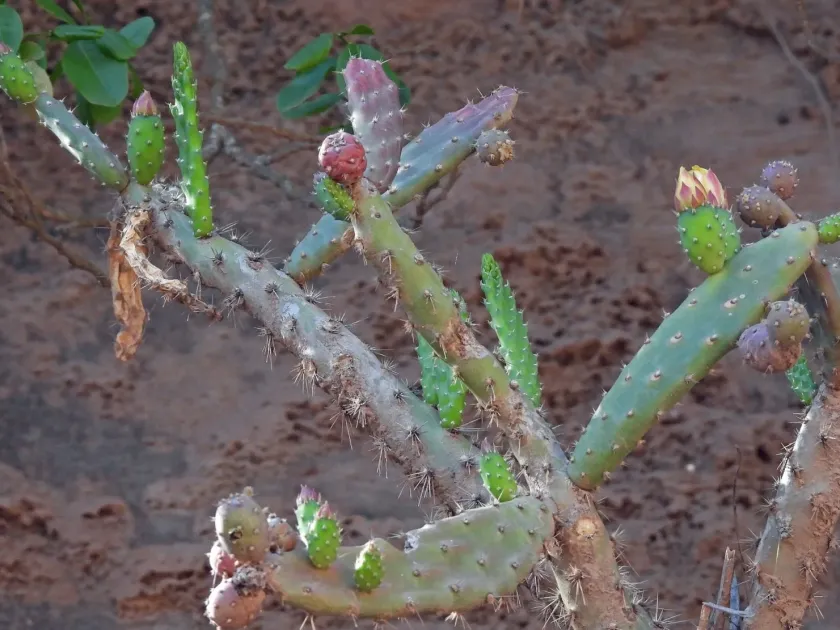
Description
Growing requirements
Opuntia colubrina is a unique species belonging to the Cactaceae family, native to the arid landscapes of South America. This succulent is distinct for its elongated, snake-like stems that often trail along the ground in its natural habitat.
Successful cultivation requires highly porous and well-draining soil, such as sandy or rocky substrates. Soil aeration is essential to prevent water stagnation, which is the primary cause of root degradation in this particular species.
This crop thrives under intense, direct sunlight exposure. Sufficient light is vital for maintaining the physical integrity of the segments and ensuring the plant remains compact and resistant to environmental stress factors.
The climate requirements involve high thermal thresholds during the growing season and low relative humidity levels. In regions with high rainfall, specialized greenhouse protection is necessary to manage moisture levels effectively.
Agronomic practices include minimal water application, only provided after the substrate has completely dried out. Nutrient management should focus on low-nitrogen fertilizers, specifically formulated for cacti to avoid excessive, weak growth.
Main diseases and pests
The main threats to Opuntia colubrina include various fungal pathogens such as stem rot and spot diseases. These are typically triggered by improper irrigation management or lack of ventilation in the growing area.
Pests such as mealybugs and spider mites are frequent invaders of this crop. These organisms thrive in dry, warm environments and can cause severe damage by feeding on the sap of the succulent segments.
Integrated pest management involves regular inspections and the application of systemic insecticides when populations exceed economic injury levels. Biosecurity measures, such as quarantining new plants, are highly recommended.
Preventive maintenance focuses on keeping the growing environment clean and maintaining optimal spacing between plants. Good air circulation is one of the most effective ways to discourage fungal growth.
In cases of severe infestation, specialized fungicides or miticides should be applied strictly according to the guidelines to ensure plant safety. Careful monitoring remains the cornerstone of maintaining a healthy population.