
Opuntia cognata
Opuntia cognata
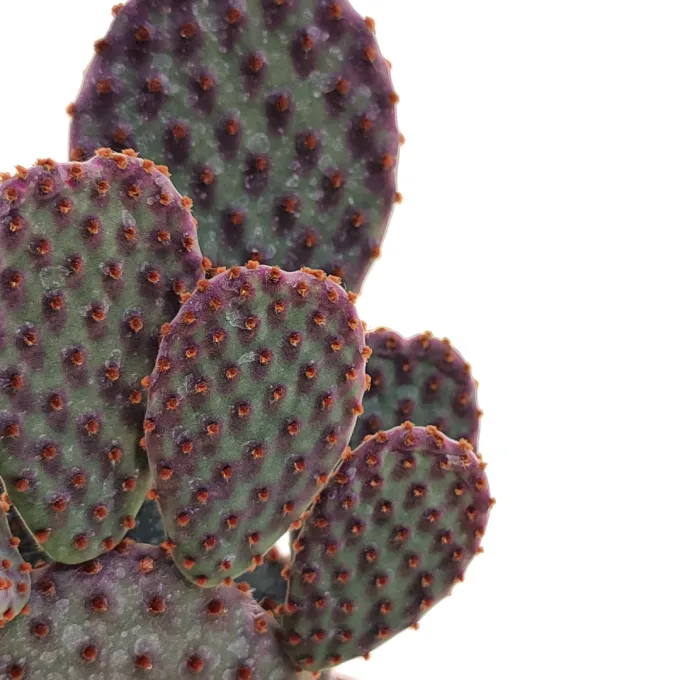
Description
Growing requirements
Opuntia cognata is a perennial succulent belonging to the Cactaceae family, known for its distinct morphological traits and high adaptability to arid environments. It serves as a classic example of plant evolution in harsh climates where water conservation is vital.
Originating from South America, this species has historically thrived in rocky and sandy landscapes. Its ability to withstand prolonged drought makes it an interesting subject for specialized agricultural research focused on sustainable desert farming and xeriscaping.
Botanically, the plant consists of segmented pads known as cladodes, which serve as water-storage organs and primary sites for photosynthesis. The surface is typically characterized by areoles that produce small, barbed bristles called glochids, providing protection against herbivores.
In terms of cultivation, the plant requires excellent drainage. A substrate composed of sandy soil, pumice, or expanded clay is essential to prevent root rot, which is the most frequent cause of mortality in cultivated specimens of Opuntia cognata.
The climate requirements include high solar radiation and warm temperatures during the growing season. While the species is resilient, it performs best when protected from extreme, sustained frosts and excessive humidity, which can lead to rapid tissue degradation.
Main diseases and pests
Fungal pathogens represent the primary threat to the health of Opuntia cognata, especially when agricultural practices involve over-irrigation. Excessive moisture in the growing medium provides an ideal environment for the development of stem and root rot.
Mealybugs are a significant pest, often clustering in the areoles and junctions of the pads. These sap-sucking insects can severely stunt the plant's growth and introduce secondary infections through the wounds they create on the epidermis.
Spider mites frequently attack the cactus in dry indoor or greenhouse conditions. They thrive in environments with low humidity, causing the skin of the cactus to become discolored, scarred, and eventually necrotic if left untreated.
Scale insects are another common concern, adhering to the surface of the pads and draining the plant's resources. Their hard, waxy outer shells provide protection against contact insecticides, making mechanical removal often necessary before chemical treatment.
Integrated pest management is crucial for this species. It involves maintaining a clean environment, ensuring proper ventilation to reduce ambient humidity, and employing systemic insecticides during early stages of infestation to prevent widespread damage.