
Opuntia caracassana
Opuntia caracassana
Description
Growing requirements
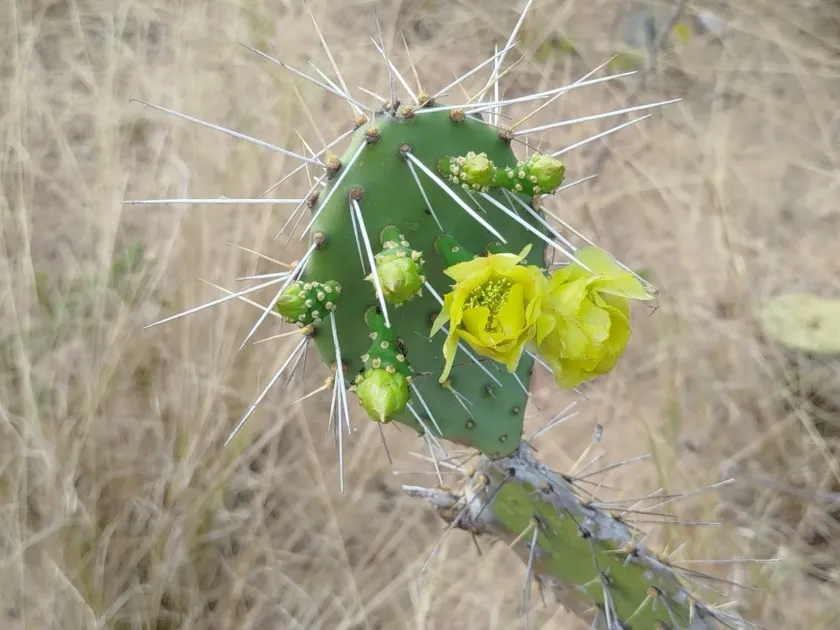
Opuntia caracassana is a perennial succulent belonging to the Cactaceae family. This species is characterized by its flattened stem segments, which are adapted to store significant amounts of water during periods of drought.
Native to tropical South America, particularly Venezuela, this plant is well-adapted to high-temperature environments. It thrives in arid conditions and requires full sun exposure to reach its maximum productivity.
Soil requirements for this cactus include excellent drainage and high mineral content. It does not tolerate compacted soils, which can lead to rapid decay of the root system under irrigation.
Agrotechnical practices involve careful irrigation management to prevent waterlogging. During the active growth phase, the plant requires consistent light and warmth to support photosynthesis.
In colder climates, this crop must be managed in greenhouses to maintain an optimal ambient temperature, as it is highly susceptible to frost damage during the dormant stage.
Main diseases and pests
Fungal diseases, especially root rot caused by overwatering, represent the primary threat to the health of Opuntia caracassana plantations.
Mealybugs are frequently observed pests that settle in the crevices of the cladodes, where they feed on plant sap and stunt growth.
Spider mites are another common challenge in arid greenhouse environments, necessitating regular monitoring of the stem surfaces.
- Integrated pest management includes the use of neem oil and specific systemic insecticides.
- Maintaining proper spacing between plants helps to reduce humidity and prevent fungal outbreaks.
Early identification of discolored or soft patches on the plant surface is essential for implementing successful quarantine and treatment measures.