
Opuntia bravoana
Opuntia bravoana
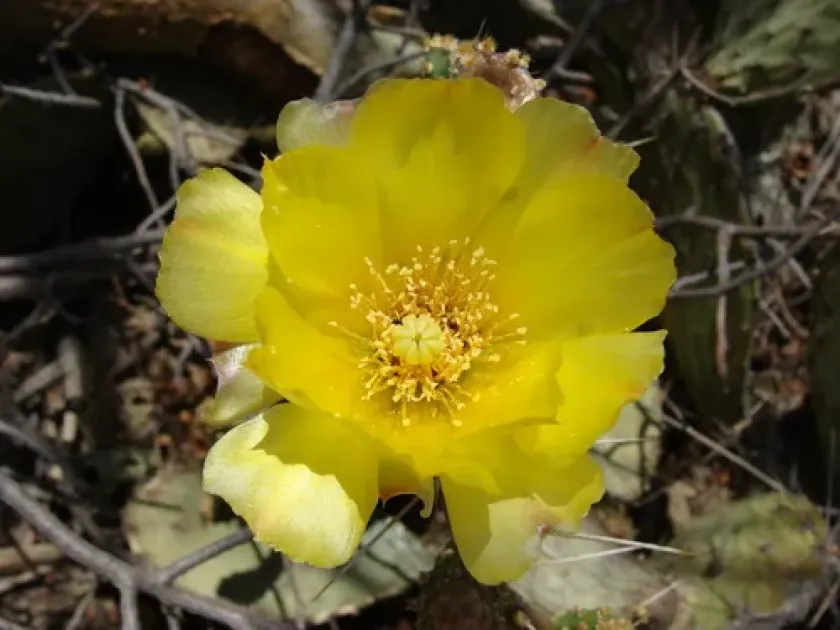
Description
Growing requirements
Opuntia bravoana is a perennial succulent belonging to the Cactaceae family, native to the arid landscapes of Mexico. This species has evolved specifically to withstand harsh desert conditions through highly efficient water storage in its stems.
The plant features flat, segmented stems known as cladodes, which are densely populated with areoles and glochids. These structures are vital for its survival, minimizing transpiration while providing defense against herbivores in its natural habitat.
Successful cultivation requires soil that is exceptionally well-draining, consisting of a mix of sand, pumice, and gravel. Any water accumulation around the roots is detrimental, as it quickly leads to physiological stress and root decay.
Regarding climate, the plant thrives under intense solar radiation and needs significant diurnal temperature fluctuations. In controlled environments, providing maximum sunlight exposure is crucial to ensure structural integrity and healthy growth patterns.
Economically, Opuntia bravoana is primarily utilized in ornamental landscaping, particularly for xeric gardens where water conservation is prioritized. It remains a popular specimen for botanical collections and specialized plant nurseries globally.
Main diseases and pests
Root rot, driven by excessive soil moisture and poor drainage, remains the primary cause of plant loss in cultivated collections.
Pests such as mealybugs and spider mites represent a constant challenge, especially when plants are grown in confined greenhouse conditions with limited airflow.
Treatment involves the judicious use of systemic insecticides and miticides, alongside physical removal of insects using alcohol-based solutions on affected areas.
Preventative hygiene, such as cleaning the surface of the cladodes and monitoring the soil surface for fungal blooms, is essential for long-term survival.
Implementing a strict winter dormancy period with reduced irrigation is vital to prevent etiolation and maintain the plant's natural, compact form.