
Olax subscorpioidea
Olax subscorpioidea
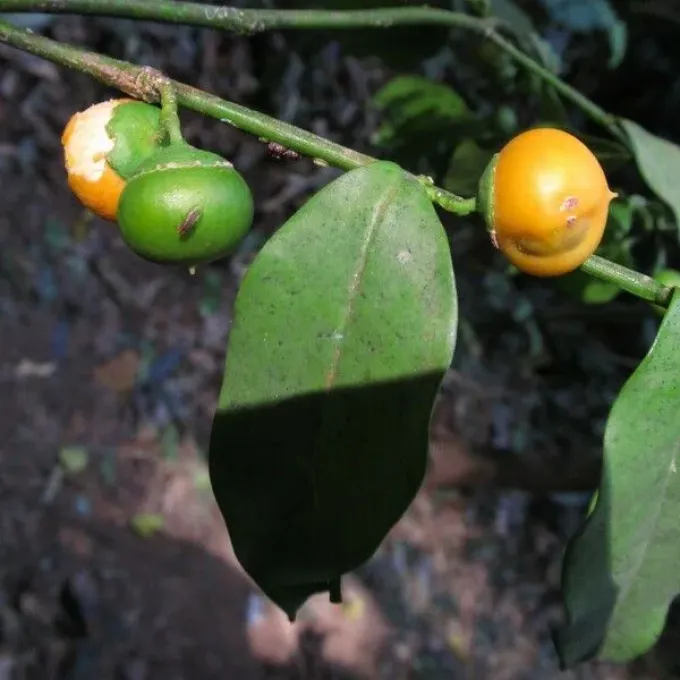
Description
Growing requirements
Olax subscorpioidea is a tropical woody shrub belonging to the Olacaceae family. It is native to the tropical forests and savannah regions of West and Central Africa, where it thrives in specific ecological niches characterized by high humidity.
The plant requires well-drained, sandy-loam soils to ensure optimal root development. It is highly sensitive to waterlogging, which often induces root rot and stunted growth. Soil aeration is considered a critical factor for maintaining vigorous shrub development.
The climate requirements for Olax subscorpioidea include a tropical environment with temperatures consistently above 20°C. It is intolerant to frost and requires protection from cold, dry winds that can cause excessive transpiration and leaf desiccation.
Agricultural practices for this species focus on providing sufficient spacing to ensure proper air circulation, which helps in preventing fungal outbreaks. Regular weed management is necessary during the establishment phase to prevent resource competition.
The economic value of this crop lies in its pharmaceutical properties. The bark and leaves are widely utilized in traditional medicine for their anti-inflammatory and antiseptic activities, making them a valuable non-timber forest product.
Main diseases and pests
The primary threats to Olax subscorpioidea involve fungal infections triggered by excessive moisture and high humidity levels. Leaf spots and stem rots are the most common diseases encountered in poorly managed tropical nurseries.
Pest pressure is mainly exerted by sap-sucking insects and leaf-eating caterpillars. These pests not only reduce the photosynthetic area of the plant but also serve as vectors for secondary bacterial infections that weaken the shrub.
Integrated pest management (IPM) strategies are recommended to keep damage below economic thresholds. This includes the use of organic pest repellents and regular scouting to identify early stages of infestation.
Environmental stress, such as extreme heat during the dry season, can significantly impact the chemical composition of the plant parts used for medicine. Drought management is therefore essential for consistent harvest quality.
Sustainable harvesting techniques, including rotational pruning, are implemented to prevent over-exploitation of natural populations and to encourage the regrowth of healthier, more resilient shoots.