
Olax scandens
Olax scandens
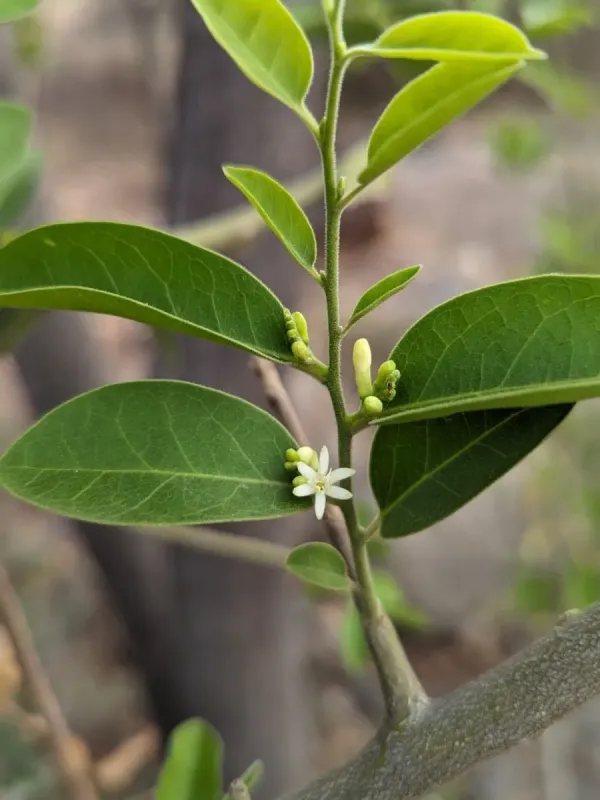
Description
Growing requirements
Olax scandens is a perennial semi-parasitic shrub belonging to the Olacaceae family. In its natural habitat, it functions as a climbing plant, using nearby vegetation to reach the upper canopy for optimal light exposure.
The plant is native to tropical regions of Asia, primarily found in India and neighboring countries. It thrives in forest margins, open scrublands, and areas with high ambient humidity, which is essential for its physiological processes.
Environmental requirements include a frost-free climate with consistent high temperatures. It requires well-drained soil rich in organic matter to support its rapid growth rate, although it shows remarkable adaptability to various soil types.
Agrotechnology for this crop focuses on providing sturdy support structures or selecting compatible host plants. Since it can exhibit root parasitism, its development is significantly enhanced when it has access to the root systems of companion woody species.
Irrigation management is crucial during the initial growth phases to ensure the establishment of the root system. Once mature, the plant becomes more resilient to short-term dry spells, provided the air humidity remains high.
Yield
The primary agricultural utility of Olax scandens is centered on its medicinal applications. The leaves and roots are harvested for traditional remedies, particularly those focused on treating inflammatory conditions and dermal issues.
Young shoots and tender leaves serve as a food source for local communities, functioning as a leafy vegetable that is rich in certain bioactive compounds, contributing to local food biodiversity.
Yield metrics for this crop are measured by the harvestable biomass of leaves and secondary metabolites. Given the multi-purpose nature of the plant, farmers often implement selective pruning to maximize vegetative growth while allowing for seasonal harvesting.
Research into the seed oil composition of the genus Olax indicates potential for industrial use, specifically in the production of bio-lubricants or cosmetic base ingredients, adding value to the cultivated stands.
Continuous harvesting regimes must be balanced with the plant's recovery periods. Proper nutrition and light management ensure that the plant maintains its vigor and produces high-quality biomass consistently over several years.
Main diseases and pests
The plant is relatively robust against common agricultural pests, thanks in part to the secondary metabolites present in its tissues. However, it can occasionally be affected by sap-sucking insects during the early seedling stage.
Fungal diseases related to high moisture, such as leaf spot or root rot, may occur if the planting density is too high and air circulation is poor. Proper spacing is essential to mitigate these risks effectively.
- Monitor for aphids during the humid season.
- Ensure proper soil drainage to avoid root rot.
- Apply preventative organic fungicides if humidity levels remain excessively high for prolonged periods.
- Manage host plant health to ensure the parasitic balance remains beneficial for the crop.
- Perform regular weeding around the base to prevent competition for nutrients.