
Olax psittacorum
Olax psittacorum
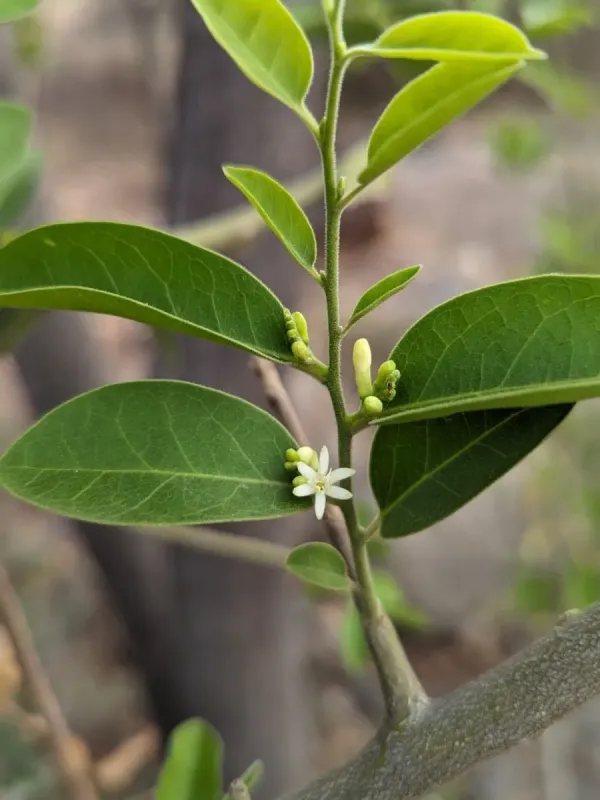
Description
Sowing dates
Olax psittacorum is a distinctive plant species within the Olacaceae family, typically found as an evergreen shrub or small tree in native tropical environments.
Propagation is primarily achieved through seeds, which require specific conditions such as high humidity and stable warmth to break dormancy and trigger germination.
In a controlled agronomic setting, seeds should be sown in a well-draining, nutrient-rich soil mix, ensuring a consistent temperature of approximately 26 degrees Celsius.
The establishment phase is critical, as young seedlings are sensitive to root disturbance. Proper spacing is required to ensure adequate airflow and light penetration for every plant.
Practitioners often utilize starter trays with organic peat-based substrates to optimize moisture retention while preventing fungal growth around the developing roots.
Growing requirements
This species thrives in tropical climates characterized by warm temperatures and consistent, moderate to high levels of rainfall throughout the year.
Soil quality is paramount, requiring a substrate that is slightly acidic, rich in humus, and possesses excellent drainage properties to prevent root rot.
Exposure to direct sunlight is preferred, though young specimens benefit from partial shade during the peak heat of the day to prevent leaf transpiration stress.
Watering schedules should be adjusted based on seasonal growth, with increased irrigation during the peak growing phase and reduced amounts during dormancy.
Fertilization with balanced NPK nutrients is essential to support the development of vegetative structures and enhance overall vigor in tropical plantations.
Main diseases and pests
Like many tropical shrubs, Olax psittacorum is susceptible to various fungal pathogens, especially if ventilation is poor or humidity levels are stagnant.
Common pests include scale insects and mites that feed on the sap of tender leaves, potentially reducing the plant's overall vitality and yield.
Preventive measures include regular inspection of the undersides of leaves and the application of organic horticultural oils when infestations are identified early.
Root system health is frequently threatened by phytophthora or other soil-borne diseases if waterlogging occurs for extended periods.
Integrated pest management (IPM) strategies, including the introduction of beneficial insects, are highly recommended to minimize chemical reliance.
Harvesting
The harvest of Olax psittacorum involves careful collection of the plant’s fruits, which are traditionally valued for their specific medicinal and chemical properties.
Picking is conducted manually at the stage of maturity when the color shifts, indicating the optimal concentration of active phytochemicals.
Post-harvest handling requires immediate processing, as the organic compounds in the fruit can degrade rapidly when exposed to high ambient heat.
Drying techniques, such as low-temperature air drying, are employed to remove excess moisture while preserving the integrity of the plant's secondary metabolites.
Proper storage is essential; the final product must be kept in airtight containers in a cool, dark environment to maintain its potency for commercial use.