
Dwarf Olax
Olax nana
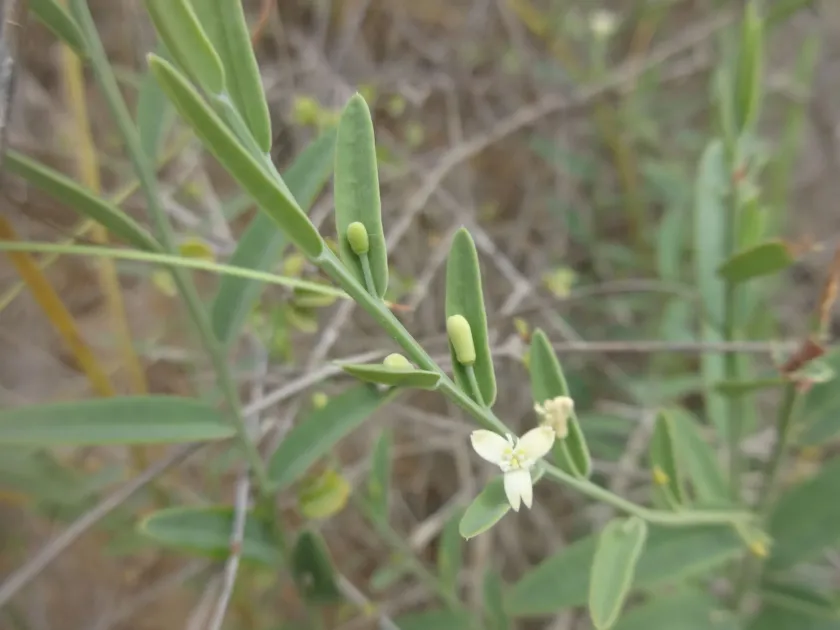
Description
Growing requirements
Dwarf Olax (Olax nana) is a fascinating plant species belonging to the Olacaceae family. It is distinct from its larger, woody relatives, manifesting as a small herbaceous perennial that has evolved a specialized survival strategy in competitive environments.
The plant is native to parts of Southern Asia, thriving in open grasslands and dry forest margins. Its ability to colonize areas with limited resources is directly tied to its hemi-parasitic nature, which allows it to supplement its own photosynthesis with nutrients derived from host plants.
Botanically, Olax nana develops a complex root system capable of forming haustoria. These structures attach to the roots of neighboring plants, enabling the extraction of water, minerals, and carbon compounds, which is a key adaptive trait for survival in harsh climates.
Regarding soil requirements, the species favors well-drained, porous soils. It is particularly unsuited to waterlogged environments, where the root system, sensitive to anaerobic conditions, is prone to rapid decay and failure to establish parasitic connections.
Environmental conditions for successful growth involve significant solar exposure and a climate characterized by distinct wet and dry seasons. It displays remarkable resilience to heat and periodic water stress, suggesting potential for use in specific reclamation projects in semi-arid regions.
Main diseases and pests
In terms of threats, the primary concern for Olax nana cultivation is the susceptibility to root pathogens. Fungal infections, particularly those thrives in over-saturated soil, represent the most significant risk to the health and longevity of the plant population.
Pests are generally limited, but in monoculture environments, the plant can become vulnerable to opportunistic feeders. Maintaining a balanced ecosystem where the host plants are also healthy is crucial, as the failure of the host directly compromises the Dwarf Olax.
Integrated pest management should be approached with caution due to the plant's metabolic reliance on its hosts. Many systemic pesticides could potentially be absorbed by the host and affect the parasitic relationship, leading to unintended physiological stress for the Olax.
Environmental hygiene, including the removal of dead plant debris and the avoidance of contaminated water sources, is essential. Ensuring proper drainage helps mitigate the formation of micro-habitats conducive to fungal and bacterial proliferation around the root zone.
Continuous monitoring of the foliage for signs of chlorosis or abnormal growth patterns is recommended. Early detection of stress factors, whether biotic or abiotic, allows for timely intervention to protect the integrity of the cultivation plot.