
Noccaea stilosa
Noccaea stilosa
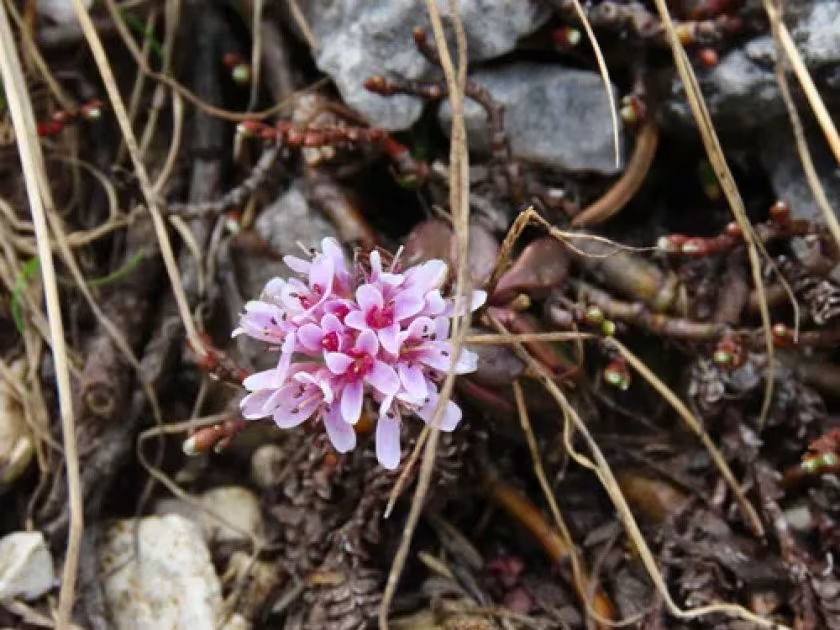
Description
Sowing dates
Noccaea stilosa is an ephemeral species that thrives during early spring moisture cycles. For optimal cultivation, sowing should be scheduled for late autumn (winter sowing) or as early as possible in spring, as soon as the soil can be mechanically worked.
The seeds exhibit high germination energy at low positive temperatures, giving the crop a competitive advantage over many common weeds. Timely sowing is critical, as the plant needs to complete its life cycle before the onset of extreme summer heat.
Seeds should be planted at a depth of 1–2 centimeters. Proper soil-to-seed contact is essential for rapid emergence, which is typically achieved through rolling the field immediately after sowing.
Sowing density should be managed to ensure adequate spacing, as excessive density can lead to increased competition for nutrients and decreased individual plant vigor. Standard row planting is the most common and effective method.
Choosing the right window for sowing also depends on regional precipitation patterns. In regions with reliable moisture, early spring sowing is highly effective, while winter sowing utilizes dormant moisture in the soil profile.
Growing requirements
As a member of the Brassicaceae family, Noccaea stilosa performs best in fertile, well-aerated loam soils with a neutral to slightly alkaline pH. These conditions ensure the optimal bioavailability of essential soil nutrients.
The crop is highly photophilous and requires full sun exposure throughout the day. Shaded conditions significantly reduce biomass accumulation and the formation of healthy seed clusters.
Adequate soil moisture is a primary requirement, especially during the vegetative growth and flowering phases. While the plant is quite hardy, extended drought periods during seed development can severely impact final yields.
Agricultural management should focus on maintaining a fine, level seedbed to facilitate uniform growth. Balanced fertilization, particularly with phosphorus and potassium, helps in promoting root development and seed quality.
- Requires well-drained, fertile soil types.
- High demand for direct solar radiation.
- Optimal growth temperatures ranging between 12–20 degrees Celsius.
- Excellent resilience against light spring frosts.
Yield
The yield potential of Noccaea stilosa is heavily influenced by site-specific conditions and the efficacy of plant protection measures. Under favorable conditions, farmers can expect a steady yield between 10 and 15 centners per hectare.
The oilseed potential of this species makes it a promising technical crop. High yield is directly correlated with the size and fill-weight of the pods, which can be improved through proper agronomic practices.
Pollination efficiency is a key factor in maximizing seed set. The presence of pollinators during the flowering phase is beneficial and often results in higher thousand-seed weight and overall crop uniformity.
Crop quality is determined by the cleanliness of the harvested seeds and the absence of impurities from other Brassicaceae species. Seeds must be cleaned and dried to a safe storage moisture level promptly after harvest.
Ongoing selection and breeding efforts are focused on pod integrity to prevent premature shattering. Minimizing pod shattering is essential for reducing harvest losses and ensuring higher return on investment.
Main diseases and pests
Flea beetles are the primary pests affecting Noccaea stilosa, particularly during the early seedling stage. Constant field monitoring is required during the initial growth phases to detect infestations early.
Fungal diseases, such as downy mildew, can pose a risk under high humidity and poor air circulation. Crop rotation is the most effective cultural method for preventing the buildup of soil-borne pathogens.
Weed competition is most detrimental during the early stages of growth. Once the crop establishes a sufficient canopy, it demonstrates good weed-suppressive abilities in well-tended fields.
A minimum interval of 3 to 4 years between crops on the same field is recommended to break the life cycle of specialized pests and soil-borne diseases that affect Brassicaceae species.
Integrated pest management strategies should be employed if infestation thresholds are reached, ensuring that all chemical applications follow the established safety intervals before harvest.
Harvesting
Harvesting should be timed to coincide with the physiological maturity of the pods, indicated by a deep brown color and firm seed texture. This stage represents the peak of oil accumulation within the seeds.
Direct combining is generally preferred if the field shows even maturation. However, if weed pressure or uneven ripening is present, windrowing prior to combining can significantly improve the quality of the harvested grain.
Header adjustments are crucial to ensure that the cutting height captures the majority of the pods while limiting the volume of non-seed biomass entering the threshing unit. Cleanliness is improved through proper fan and sieve settings.
Immediate post-harvest cleaning and drying are mandatory to prevent seed heating. Moist seeds can quickly lose their quality or develop mold if stored improperly before reaching the target moisture content.
Long-term storage should occur in cool, dry, and well-ventilated environments. Maintaining seed moisture below 10-12% is critical for preserving the integrity of the oil content and ensuring long-term viability.