
Alpine pennycress
Noccaea caerulescens
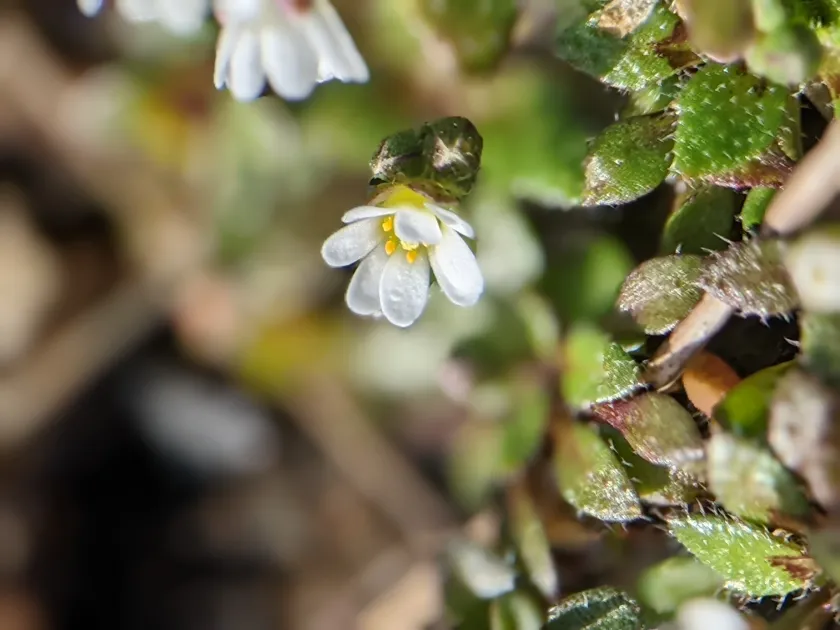
Description
Sowing dates
Alpine pennycress is typically sown in the late summer or autumn to allow the plants to establish a robust root system before the onset of winter dormancy.
In regions with milder climates, early spring sowing is also possible, although it requires careful soil moisture management to ensure uniform germination and growth.
Seeds should be planted at a shallow depth, usually around 1 to 2 centimeters, as they are small and require minimal soil cover to emerge successfully.
Proper seedbed preparation is essential, ensuring a firm and level surface to promote optimal contact between the soil and seeds for efficient hydration.
Density of planting should be adjusted based on the intended purpose of the crop, whether it is for large-scale phytoremediation or seed production.
Growing requirements
Belonging to the Brassicaceae family, Alpine pennycress is highly regarded for its botanical resilience and ability to thrive in diverse environmental conditions.
The plant is widely recognized as a hyperaccumulator of heavy metals, effectively sequestering elements like zinc and cadmium within its leaf tissues.
It prefers well-drained, fertile soils but displays remarkable adaptability to marginal lands and contaminated sites, making it a key plant for environmental engineering.
Adequate sunlight exposure is vital for the development of the plant, as limited light can hinder growth and diminish its overall metal-accumulating efficiency.
While tolerant of various soil types, maintaining a balanced nutrient profile is still recommended to support vigorous vegetative growth throughout the season.
Yield
The biomass yield of Alpine pennycress is highly dependent on local soil health and the concentration of metals available for extraction during the growing period.
Harvesting at the peak of the flowering stage is critical, as this period corresponds to the highest accumulation of absorbed toxins within the plant structures.
For agricultural operations, success is measured by the total quantity of biomass removed from the contaminated site, which directly reflects the remediation progress.
While not primarily grown for human consumption, the oil content of the seeds is a subject of ongoing research for potential industrial and energy applications.
Consistent agricultural practices, including effective weed control and optimized spacing, contribute to higher yields and better consistency across the field.
Main diseases and pests
Like many cruciferous crops, Alpine pennycress is susceptible to common pests such as flea beetles, which can cause significant damage during the early seedling stage.
Fungal diseases like downy mildew and other leaf spot pathogens can occur, particularly in environments with high humidity and poor air circulation.
Integrated pest management strategies are recommended to mitigate risks, focusing on preventative measures and biological controls where possible to minimize synthetic chemical use.
Crop rotation is an important strategy to prevent the buildup of soil-borne pathogens and to maintain the overall health of the agricultural ecosystem.
Regular field scouting for early signs of infection or infestation is necessary to allow for timely interventions and to protect the vitality of the crop stand.
Harvesting
Harvesting strategies are aligned with the intended goal of the crop, prioritizing the timing of maximum biomass volume or peak heavy metal concentration in the leaves.
Mechanical harvesting equipment must be appropriately configured for small seeds and fine foliage to ensure efficiency and minimize losses during the collection process.
Post-harvest management involves proper drying and disposal of biomass, especially in cases where the plants have successfully extracted hazardous materials from the soil.
Storage of harvested material, particularly seeds, requires cool and dry conditions to prevent spoilage and maintain long-term viability for future planting.
Proper waste handling protocols are essential for ensuring that extracted metals are safely sequestered after the removal of the plant material from the field.