
Noccaea brevistyla
Noccaea brevistyla
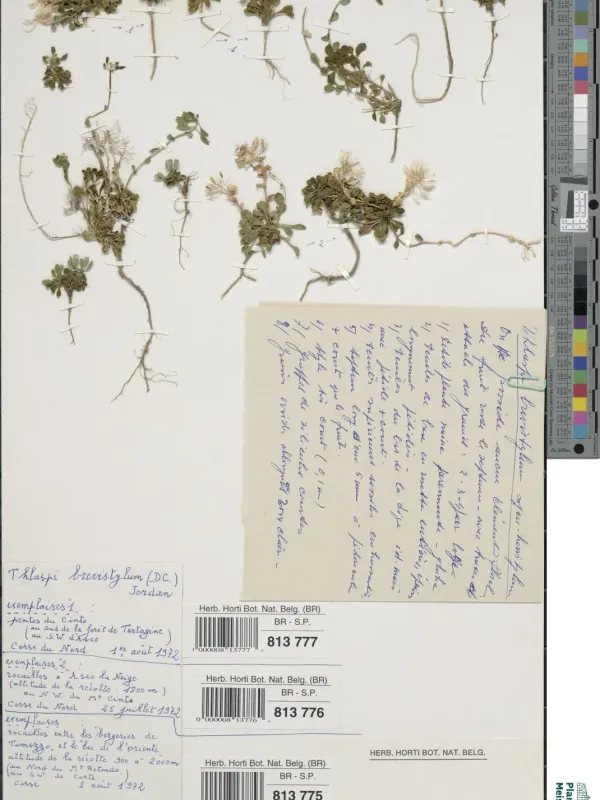
Description
Sowing dates
The seeding of Noccaea brevistyla requires careful timing to ensure high germination rates and robust seedling establishment. Early spring is typically the most favorable period for sowing as soil conditions begin to warm.
In regions with milder climates, late autumn sowing can be an alternative strategy. This approach enables the crop to utilize early spring moisture effectively, resulting in a more vigorous initial development phase.
The sowing depth must be kept shallow, typically between 1 and 2 centimeters, due to the small size of the seeds. Utilizing high-precision seeding equipment is recommended to achieve a uniform plant population.
Consistent row spacing is essential for optimal crop development and allows for easier mechanical weed control throughout the early stages of growth. Proper plant density is a key factor for maximizing yield.
Following the sowing process, applying light rolling to the soil surface is beneficial. This action improves seed-to-soil contact, which is critical for moisture uptake and uniform emergence across the field.
Growing requirements
As a member of the Brassicaceae family, Noccaea brevistyla thrives in well-structured, fertile loam soils. Maintaining an optimal pH balance is necessary to facilitate nutrient availability for the growing plants.
This crop has a high requirement for light and should be grown in open, sun-exposed areas. Shading can significantly hinder photosynthetic activity and lead to weak, elongated stems, reducing overall quality.
Adequate soil moisture is crucial, particularly during the stages of bud formation and flowering. While the crop shows some resilience, supplemental irrigation may be necessary during dry spells to ensure yields.
The plant demonstrates good adaptability to the moderate temperature regimes found in European mountain and foothill regions. It can withstand occasional spring frosts, which provides a degree of security for early plantings.
Integrated weed management is necessary during the early growth stages when the crop is less competitive. Regular mechanical weeding helps to maintain a clean field and prevents nutrient competition from invasive species.
Yield
Maximizing the yield of Noccaea brevistyla depends on strictly following standardized agronomic practices. Balanced fertilizer application, particularly nitrogen, is vital for achieving productive vegetative growth.
The preparation of the seedbed serves as the foundation for successful crop development. A well-tilled, nutrient-rich soil profile allows the crop to fully realize its yield potential throughout the season.
Yield performance is also influenced by the quality of the seed stock used. Selecting certified, high-vigor seeds is a fundamental step in ensuring consistency and high productivity across the entire acreage.
Field monitoring is essential to detect any constraints to growth early in the season. Promptly addressing nutrient deficiencies or physical soil problems can make a significant difference in final harvest volume.
Success in production is defined by a holistic approach where every step is meticulously planned. Effective management ensures that the crop receives the resources needed to reach its peak harvest potential.
Main diseases and pests
Crucifer flea beetles represent the primary insect threat to Noccaea brevistyla, especially during the seedling stage. Constant monitoring is required to prevent significant damage from these pests.
Fungal diseases, such as downy mildew, can pose a risk under conditions of high humidity or poor field drainage. These pathogens can cause significant foliage damage and weaken the overall plant health.
An integrated pest management (IPM) strategy is recommended to balance chemical use with biological protection. This approach relies on preventive measures and precise application of treatments only when necessary.
Strict adherence to crop rotation cycles is required to prevent the accumulation of soil-borne pathogens. Rotating away from Brassicaceae species for several years is a key preventative practice.
Regular field scouting by professional agronomists is crucial for identifying early signs of infestations. Early intervention is the most effective way to protect the crop and minimize yield loss.
Harvesting
Harvesting should occur when the plants have reached physiological maturity. Timing is critical, as premature harvesting leads to poor quality, while delayed harvesting increases the risk of seed shattering.
Using modern harvesting equipment with precise settings is recommended to ensure clean collection and minimize field losses. Proper equipment calibration is essential for maintaining crop purity.
Post-harvest handling is a vital component of the production process. The collected material must be cleaned to remove debris and weed impurities to meet market standards for high-quality raw material.
Drying the crop is necessary to reduce moisture content for safe long-term storage. Using well-ventilated facilities or specialized drying systems prevents the risk of mold growth and quality degradation.
Efficient logistics from the field to the processing facility ensure that the quality of the harvested product is maintained. A well-coordinated harvest campaign is fundamental to the crop's profitability.