
Round-leaved pennycress
Noccaea rotundifolia
Description
Growing requirements
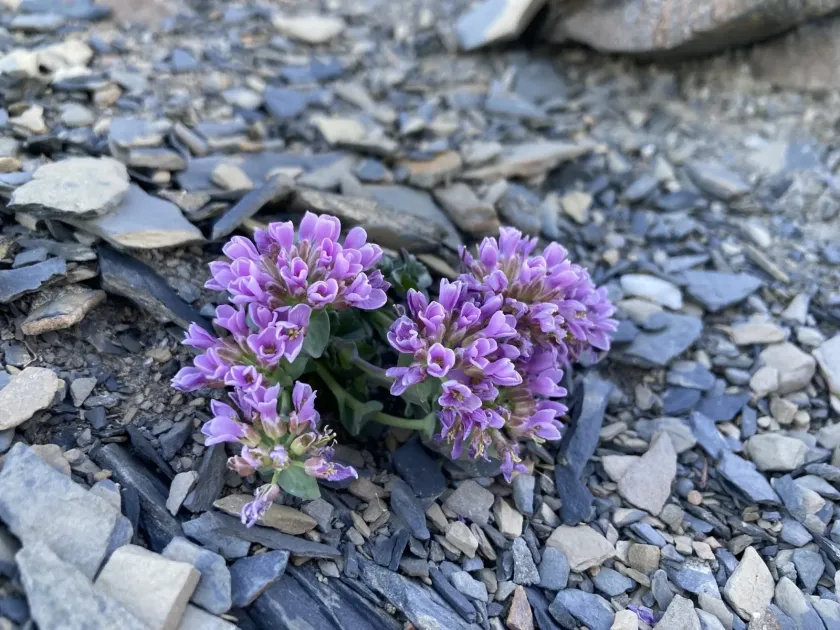
Round-leaved pennycress (lat. Noccaea rotundifolia) is a perennial herbaceous plant belonging to the Brassicaceae family. It is native to the European Alps, where it typically thrives in high-altitude rocky screes and limestone formations, demonstrating significant adaptation to severe environments.
The botanical structure of this species includes a basal rosette of succulent, rounded leaves. During the blooming season, the plant produces slender stems topped with fragrant clusters of white or pink flowers, which are highly attractive to pollinators in their native habitat.
When it comes to cultivation requirements, this plant demands excellent drainage. It is not a conventional field crop; rather, it is specialized for alpine gardening and rockeries. The ideal soil profile is gritty, porous, and alkaline, reflecting its natural preference for limestone-rich environments.
Climatically, the species is cold-hardy and well-suited for temperate regions with cool summers. It requires full sun exposure to maintain its compact, dense growth habit, although it may need protection from extreme heat and direct mid-day sun in lowland climates.
In terms of agricultural or economic use, Noccaea rotundifolia is primarily an ornamental crop used by alpine plant enthusiasts. Its ability to tolerate low-nutrient soils makes it a subject of interest in ecological studies regarding plant resilience and the potential for phytoremediation on stony ground.
Main diseases and pests
The plant is susceptible to fungal issues if provided with poor airflow or waterlogged soil. Root rot is the most common condition affecting the health of the plant, often leading to rapid decline if the growing medium does not drain effectively.
Common pests include crucifer flea beetles, which can cause significant foliar damage during the plant's active growth phase. Managing these pests requires regular inspection and the use of appropriate control methods to preserve the plant's aesthetic and vegetative health.