
Noccaea platycarpa
Noccaea platycarpa
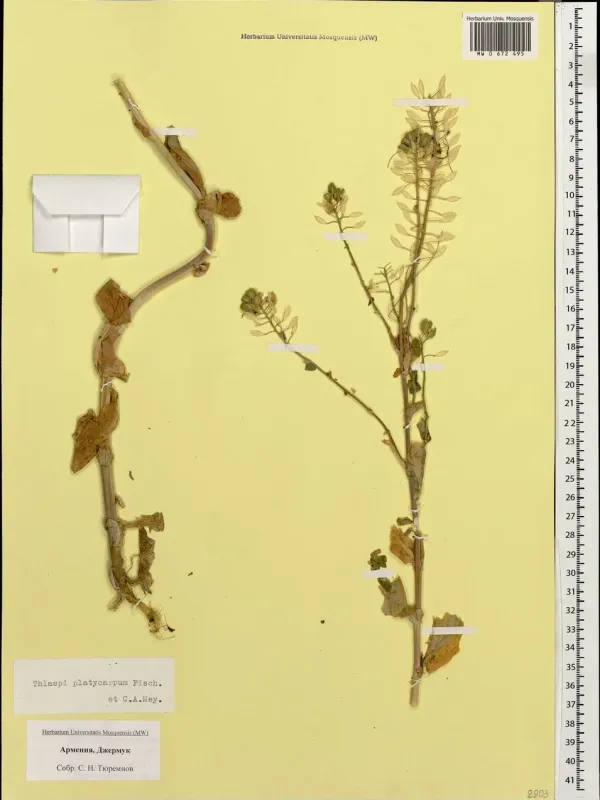
Description
Sowing dates
Noccaea platycarpa is a member of the Brassicaceae family, gaining attention as a potential oilseed crop. Its biological traits allow it to thrive in various temperate environments, offering a new alternative for agricultural rotation.
The optimal sowing time is during early spring when soil temperatures reach 5–7 degrees Celsius. Its cold tolerance ensures that it can be planted early, effectively utilizing spring moisture for rapid germination.
Seeds should be planted at a shallow depth of 1.5–2 cm to ensure high emergence rates. Using high-precision seeding technology allows for a uniform distribution, which is crucial for maximizing the yield potential of this crop.
Targeting a density of 200–300 plants per square meter is generally recommended for optimal canopy development. Proper spacing minimizes competition between individual plants while providing enough room for productive side-branching.
This crop performs well following cereal grain predecessors, fitting effectively into modern crop rotation systems. Its rapid early-season growth helps suppress weeds, reducing the need for aggressive herbicide applications.
Growing requirements
The crop prefers fertile, loamy soils with a neutral pH level. It adapts well to various soil types but requires good drainage, as it is sensitive to waterlogging and severe compaction, which can impede root development.
Sunlight exposure is essential for the vegetative growth of Noccaea platycarpa. Shaded areas lead to stunted growth and a significant reduction in the number of seed-bearing pods, directly impacting the final harvest.
Nutrient management should focus on balanced NPK fertilization, with special attention to phosphorus. Phosphorus plays a vital role in root system establishment and supports timely development during cooler growing seasons.
Consistent moisture availability during the flowering and pod-filling stages is critical. Irrigation or well-managed rain-fed conditions during these periods ensure the production of high-quality, oil-rich seeds.
Its resilience to cold spells makes it a reliable choice for regions with fluctuating spring temperatures. It integrates well into diverse agricultural systems, showing flexibility across different climatic zones.
Yield
Average yield potential for Noccaea platycarpa ranges from 1.5 to 2.5 tons per hectare under ideal agronomic conditions. Success depends heavily on the number of healthy, seed-filled pods developed on each plant.
The oil content of the seeds is a primary value driver, typically exceeding 30%. High-quality oil makes this crop a valuable asset for both food processing and industrial applications, including biofuel production.
Pollination success is highly weather-dependent. Warm, dry conditions during the peak flowering window encourage insect activity, which significantly boosts fertilization rates and results in a higher yield.
Micronutrient applications, particularly boron, during the budding phase can enhance reproductive success. Proper nutritional support ensures the consistency of yield even in seasons with suboptimal weather patterns.
Ongoing selection and breeding efforts are focused on improving pod retention. Enhancing resistance to shattering will significantly reduce harvest losses, leading to improved profitability for farmers.
Main diseases and pests
Disease pressure from Brassicaceae-specific pathogens, such as downy mildew and clubroot, represents a primary challenge. A strict rotation schedule is the most effective way to prevent the buildup of soil-borne inoculum.
Pests like flea beetles are common threats during the seedling stage. Regular field scouting and integrated pest management (IPM) techniques are necessary to keep pest populations below the economic injury level.
Cultural practices, including the removal of wild cruciferous weeds, help maintain a low disease and pest profile. These preventative steps are foundational to an environmentally conscious approach to crop protection.
Chemical interventions should be used judiciously, targeting specific pests only when necessary. This strategy helps protect beneficial insect populations that provide natural pest control within the field.
Maintaining diverse crop sequences is the best insurance against specialized pests. By disrupting the life cycles of harmful organisms through rotation, growers can ensure long-term sustainability.
Harvesting
Harvesting should occur at the stage of physiological maturity, indicated by the straw-colored appearance of the pods. Direct combining is the preferred method to minimize handling and mechanical losses.
Using a desiccant prior to harvest can help synchronize ripening, ensuring a cleaner and more efficient harvest process. This also reduces grain moisture levels, lowering the energy costs associated with drying.
Post-harvest cleaning is essential to remove green matter and debris, which could cause heating in storage. Seeds should be dried to safe moisture levels and stored in cool, ventilated facilities.
Modern combine harvesters must be calibrated specifically for small-seeded crops to ensure minimal seed damage. Precision settings are key to maintaining the seed quality and germination potential for the next season.
Timely harvest management protects the integrity of the oil content within the seeds. Proper logistics ensure that the product reaches storage in optimal condition, preserving its market value.