
Noccaea nevadensis
Noccaea nevadensis
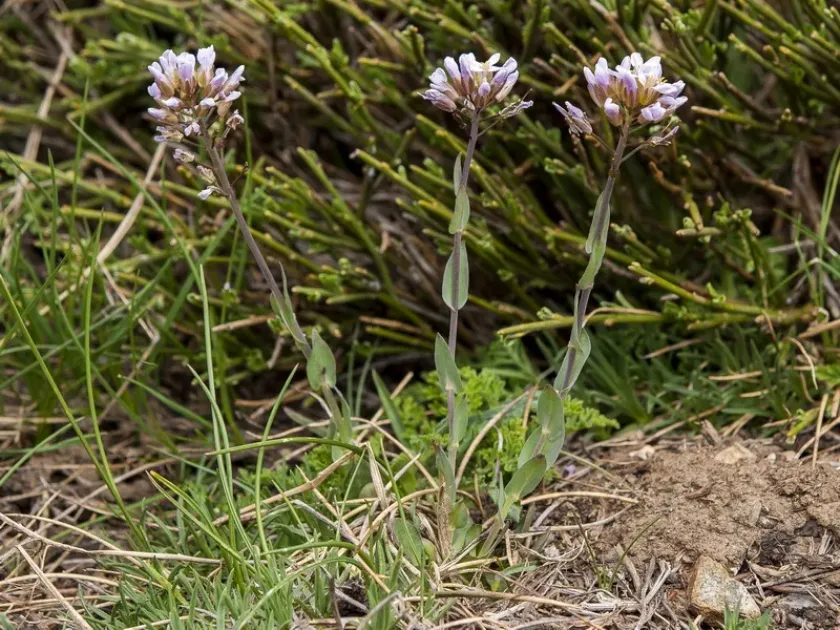
Description
Growing requirements
Noccaea nevadensis is a perennial herbaceous plant belonging to the Brassicaceae family. It is recognized for its adaptation to high-altitude environments, originating specifically from the mountain ranges of the Sierra Nevada, where it survives in challenging, rocky, and nutrient-poor soils.
The crop thrives in well-drained, stony soil substrates. Agricultural success depends heavily on maintaining excellent aeration and avoiding waterlogging, as the species is highly sensitive to root hypoxia, which can occur in heavy or compacted soil textures common in traditional low-land farming.
Climate requirements involve high exposure to sunlight and thermal fluctuations typical of alpine regions. The plant displays significant hardiness, being capable of withstanding harsh winters and strong winds, which makes it a unique candidate for stabilizing extreme terrain in ecological agricultural projects.
The primary agricultural utility of Noccaea nevadensis lies in its role as a soil stabilizer. Its root morphology allows it to bind loose gravelly soils effectively, preventing erosion on slopes that are otherwise unsuitable for traditional cereal or horticultural crops.
Furthermore, this species is of interest in the field of phytoremediation due to its biological capacity to accumulate certain minerals from the soil. Cultivation management involves minimal intervention, prioritizing the preservation of natural soil structure and careful monitoring for invasive species that could outcompete this slow-growing alpine plant.