
Noccaea goesingensis
Noccaea goesingensis
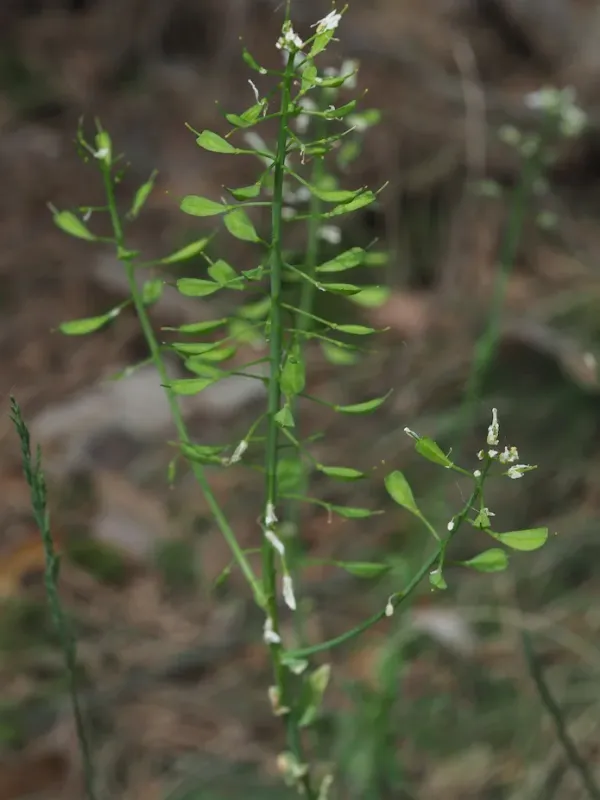
Description
Growing requirements
Noccaea goesingensis is a specialized herbaceous plant belonging to the Brassicaceae family, scientifically recognized for its superior ability to hyperaccumulate nickel from soil.
Originating from the serpentine soils of Austria, the plant has evolved to thrive in environments with high concentrations of heavy metals that are toxic to most other flora.
Cultivation requirements involve specific soil chemistry, where the presence of serpentine minerals is essential for the plant to express its hyperaccumulation potential effectively.
The botanical architecture consists of a robust basal rosette of leaves, which serves as the primary storage organ for nickel ions gathered through the root system.
From an agricultural standpoint, this crop is used for phytoextraction and experimental phytomining, representing a sustainable bridge between environmental cleaning and mineral recovery.
Main diseases and pests
The plant demonstrates remarkable natural resistance to common pathogens, largely due to the high internal concentration of heavy metals which inhibits fungal and bacterial growth.
However, environmental factors such as poor drainage can lead to physiological stress, making the root system vulnerable to localized rot in waterlogged substrates.
Insect pests, particularly those that feed on cruciferous plants like the flea beetle, can pose a risk to young seedlings during the early stages of establishment.
Crop protection strategies must be carefully managed to avoid chemical interference, as traditional pesticides might alter the plant's metabolic pathways responsible for metal uptake.
Effective plantation management relies on regular scouting and biological control methods to ensure that the biomass produced remains uncontaminated and viable for recovery processing.