
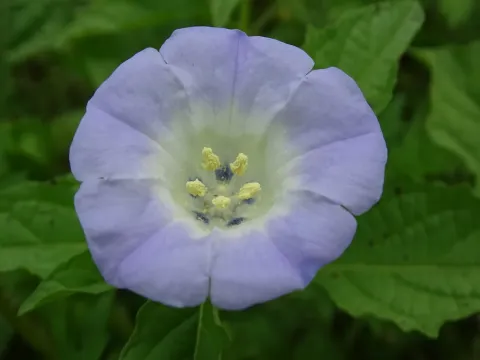
Nicandra
Nicandra
Nicandra physalodes is a robust annual herb belonging to the Solanaceae family. Seeds are typically sown indoors in March or April using individual peat pots, as the plant possesses a taproot that is highly sensitive to transplantation.
What the section contains

Nicandra
In regions with long growing seasons, direct seeding into the garden is possible after the threat of frost has passed in late May. The soil must be sufficiently warm to ensure successful and uniform germination of the seeds.
Pre-soaking the seeds for 24 hours prior to sowing can significantly improve germination rates. Seeds should be covered lightly with fine soil, maintaining a planting depth of approximately 0.5 to 1 centimeter.
Once seedlings have developed two sets of true leaves, they should be hardened off gradually before being moved to their final outdoor location. This step is critical to prevent transplant shock.
The recommended spacing between plants is about 50–60 centimeters. Given the vigorous growth habit of Nicandra, this space is necessary for the plant to develop its full architectural structure.
Nicandra thrives in full sun, which is essential for maintaining its structural integrity and promoting abundant flowering. In partial shade, the plant tends to become leggy and less productive.
The ideal soil for this culture is fertile, well-draining, and rich in organic matter. While it tolerates various soil types, it performs best in soils that are moist but not waterlogged.
The soil pH should ideally range from neutral to slightly acidic. Incorporating mature compost or organic manure into the soil during preparation provides the necessary nutrients for the vegetative phase.
Regular maintenance involves consistent watering during dry spells. Although the plant shows some drought tolerance, consistent moisture levels ensure larger leaves and a more prolonged flowering period.
Periodic fertilization with a balanced liquid fertilizer every 3–4 weeks helps maintain plant vigor. Avoid excessive nitrogen, which may lead to lush foliage at the expense of floral display.
Nicandra is highly valued by organic gardeners for its natural insect-repellent properties. It is often used as a companion plant to deter various pests like whiteflies from neighboring crops.
Despite its resistance, the plant is susceptible to powdery mildew under conditions of high humidity and poor air circulation. Proper spacing is the primary method of preventing this fungal infection.
Since Nicandra is a member of the Nightshade family, it can occasionally host pathogens common to potatoes and tomatoes. Keeping the area free of weeds helps minimize the risk of viral and bacterial spread.
Slugs and snails may occasionally feed on young seedlings. Using organic barriers such as crushed eggshells or copper tape around the base of the plant is an effective deterrent against these mollusks.
If aphids appear on new growth, they can usually be managed with simple non-toxic interventions, such as a sharp spray of water or a mild horticultural soap application to keep the plants clean.