
Nicotiana benavidesii
Nicotiana benavidesii
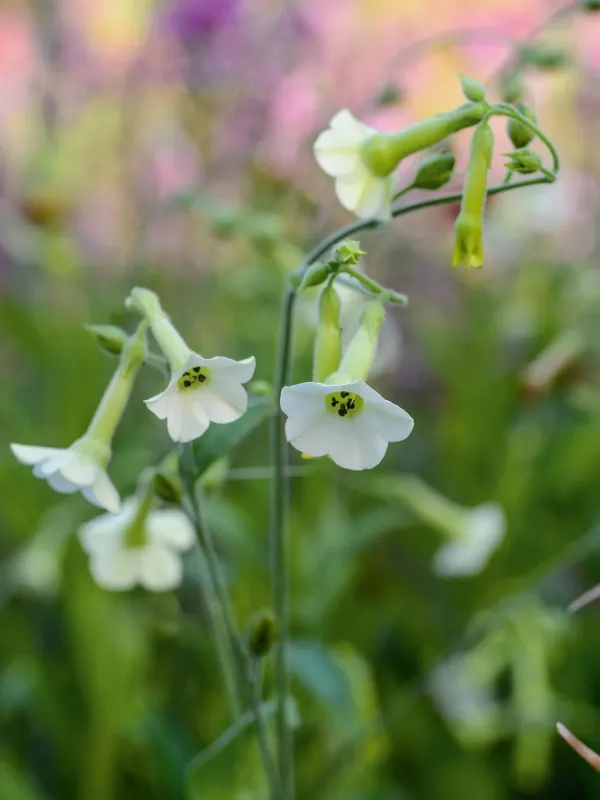
Description
Sowing dates
Nicotiana benavidesii is a species of wild tobacco belonging to the Solanaceae family. Sowing is typically carried out in early spring to ensure the plants have enough time to reach maturity during the growing season.
The seeds are extremely small and require surface sowing on a well-moistened, sterile seed-starting mix. Light is essential for germination, so the seeds should not be buried deep in the substrate but rather pressed gently into the surface.
Optimal temperatures for germination range between 20 and 22 degrees Celsius. Maintaining high humidity during the initial phase is crucial, often requiring the use of a plastic cover or a propagation dome to create a stable microclimate.
Once true leaves appear, seedlings should be pricked out into individual pots. This practice promotes the development of a strong root system and prevents competition between seedlings for nutrients and space.
Acclimatization of the seedlings before transplanting into the field is a mandatory step. Gradually increasing their exposure to natural sunlight and outdoor wind conditions significantly improves their survival rate after planting.
Growing requirements
Native to the high-altitude regions of Peru, Nicotiana benavidesii is adapted to specific environmental conditions. It thrives in moderate temperatures and requires substantial amounts of direct sunlight to maintain healthy foliage development.
The soil should be well-draining, fertile, and slightly acidic or neutral in pH. Poorly drained soils lead to root issues, as this plant is sensitive to waterlogged conditions that cause suffocation of the root system.
Regular but moderate watering is necessary. The soil should be kept moist but not saturated, allowing the surface to dry slightly between watering sessions to ensure proper aeration for the roots.
Fertilization should be balanced, focusing on promoting steady growth rather than excessive leaf production. Potassium and phosphorus are key elements to support overall plant vigor and resilience against environmental stresses.
Adequate space is required for the plants to spread out as they mature. Ensuring proper ventilation between plants is a critical preventive measure against humidity-related fungal issues that commonly affect tobacco species.
Main diseases and pests
Aphids are the most common pests affecting this species. These insects cluster on the undersides of leaves and on growing tips, weakening the plant and potentially spreading viral pathogens that are difficult to manage.
Thrips are also a concern, as they feed on leaf tissue and cause scarring, which diminishes the quality of the plant foliage. Regular inspection of the plant canopy is necessary for early detection and mitigation of outbreaks.
Powdery mildew is a prevalent fungal disease that thrives in humid, stagnant air. Proper spacing and airflow are the best defense against this pathogen, which appears as a white powdery coating on the leaves.
Root rot is typically caused by overwatering or soil that lacks adequate drainage. If symptoms of wilting appear despite adequate moisture, the root system should be inspected, and watering frequency must be adjusted immediately.
Integrated pest management, including the use of beneficial insects and biological control agents, is recommended over heavy chemical applications to preserve the ecological health of the planting site.