
Nicotiana alpina
Nicotiana alpina
Description
Growing requirements
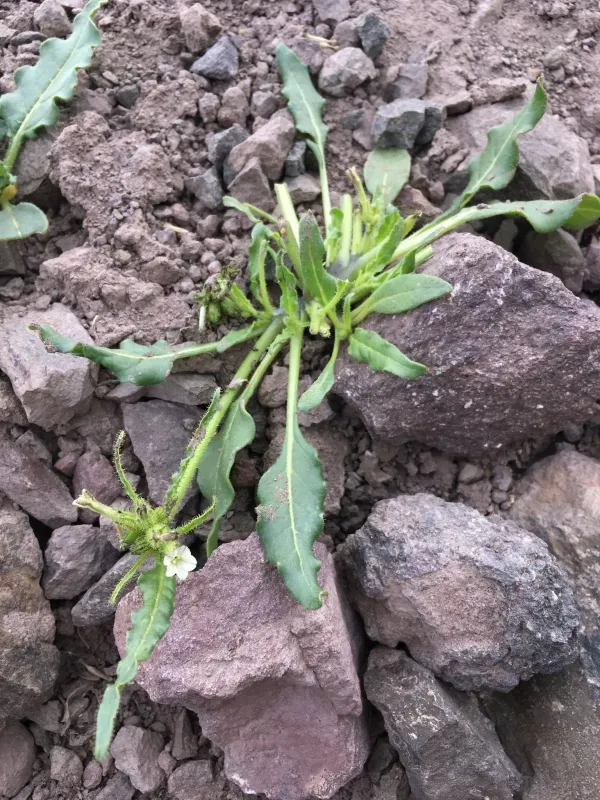
Nicotiana alpina is a distinct herbaceous perennial belonging to the Solanaceae family. Known for its adaptation to high-altitude environments, this plant exhibits a compact growth habit, distinguishing it from the larger, commercial varieties of the Nicotiana genus.
The native range of this species is confined to the mountainous regions of South America, specifically the Andes. This evolutionary history has equipped the plant with high resilience to temperature fluctuations and the ability to thrive in poor, rocky soil conditions that would be unsuitable for most agricultural crops.
To cultivate Nicotiana alpina successfully, it is essential to provide full sun exposure and excellent drainage. The plant is highly sensitive to waterlogged soil; therefore, growers should prioritize loose, aerated substrates that allow for quick moisture dissipation after rainfall or irrigation.
Regarding climate, this species prefers cool to moderate temperatures rather than intense tropical heat. It is vital to maintain consistent soil moisture levels without reaching saturation, as the plant's root system is particularly susceptible to fungal pathogens when exposed to stagnant water.
Agricultural and horticultural practices for this plant emphasize the importance of light and air circulation. Growers should avoid high-nitrogen fertilizers to prevent rapid, weak growth, focusing instead on balanced nutrients that support the plant's natural structural integrity and cold hardiness.
Main diseases and pests
The primary threats to the health of Nicotiana alpina include root rot and damping-off, especially in poorly drained containers or areas with heavy, clay-rich soil prone to moisture retention.
Common insect pests include aphids and spider mites, which typically thrive during dry, warm intervals. These pests can rapidly colonize the foliage, leading to yellowing and decreased plant vigor if not controlled promptly.
Cultural control measures, such as maintaining adequate spacing between plants, are highly effective in reducing the prevalence of fungal infections and preventing the rapid spread of localized pest outbreaks.
In cases of severe infestation, specialized horticultural oils or systemic insecticides may be employed, ensuring that applications are timed appropriately to minimize impact on beneficial pollinating insects.
Routine monitoring of the leaf undersides is recommended, as this is where early signs of pest colonization, such as webbing or honeydew deposits, are most easily detected by the grower.