
Nicotiana acuminata
Nicotiana acuminata
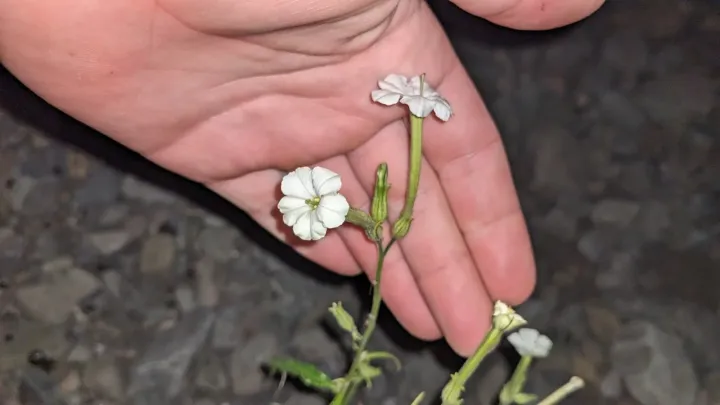
Description
Sowing dates
Nicotiana acuminata is an herbaceous annual belonging to the Solanaceae family. For optimal results, seeds should be sown indoors in late March, ensuring a long growth period before the final frost passes.
Due to the minute nature of the seeds, they require surface sowing in a fine-textured, moist potting mix. Keeping the surface consistently damp is crucial for successful germination, which usually occurs within two weeks.
Transplanting to the permanent outdoor location should take place only when soil temperatures have stabilized and night frosts are no longer a threat to delicate seedlings.
A plant spacing of approximately 30 to 40 centimeters is recommended. This distance allows for adequate airflow, which is critical for reducing the microclimate humidity around the foliage.
Early establishment is key, and weeding during the first month is essential to reduce competition for nutrients and light, which significantly impacts the development of the plant's rosette.
Growing requirements
This species thrives in full sun, which promotes robust growth and the development of its characteristically tapered leaves. Partial shade is tolerable but may lead to leggy, elongated stems.
The ideal soil is loose, well-draining, and rich in organic matter. Sandy loam provides the best balance of aeration and moisture retention needed for the healthy development of this plant.
Watering requirements are moderate but steady. Consistent soil moisture is necessary during the flowering phase, though care must be taken to avoid waterlogging the roots, which can trigger rot.
Fertilization with a balanced NPK fertilizer during the mid-season helps sustain high productivity and flowering intensity. Avoid excessive nitrogen, which favors leaf production over reproductive growth.
Regular soil aeration through light cultivation around the base of the plant is recommended to ensure oxygen reaches the root system, preventing compaction of the growing medium.
Main diseases and pests
Aphids and whiteflies are the most common pests affecting Nicotiana acuminata. They settle on the undersides of leaves and can cause significant damage to the plant's photosynthetic capacity.
Powdery mildew represents a major fungal threat, particularly in regions with high humidity or poor air circulation. It appears as a white dust on the foliage and can spread rapidly if unchecked.
Root rot is frequently associated with poor soil drainage and excessive precipitation. Symptoms include wilting and yellowing, often leading to irreversible damage to the vascular system.
Slugs and snails can severely damage young seedlings in the early stages of cultivation, requiring the use of physical barriers or targeted bait to protect the crop.
Integrated pest management strategies, including the use of systemic insecticides and removal of infected debris, are recommended to maintain the longevity and health of the planting area.