
Neoregelia schultesiana
Neoregelia schultesiana
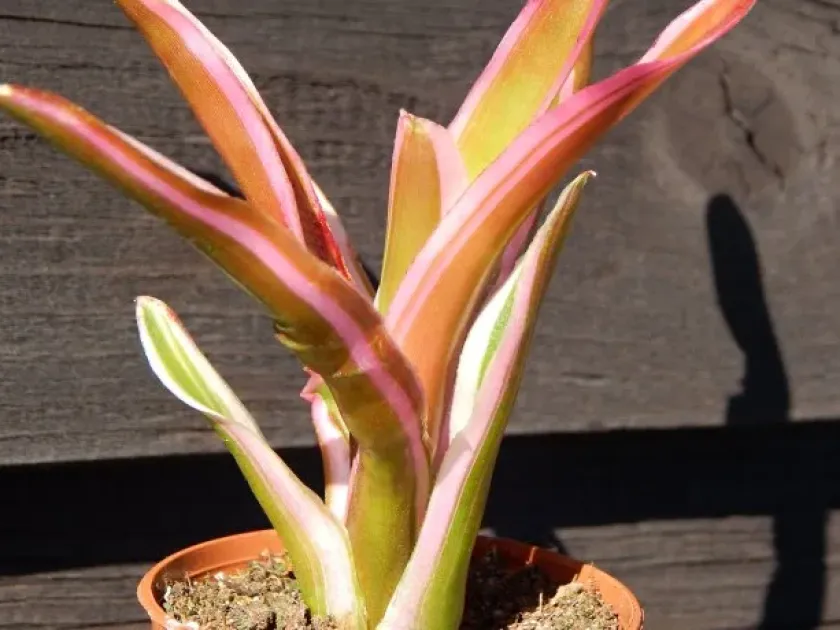
Description
Growing requirements
Neoregelia schultesiana is an ornamental plant belonging to the Bromeliaceae family. Native to the tropical rainforests of South America, specifically in Colombia, this species acts as an epiphyte, typically found attached to the branches of trees where it collects moisture and nutrients from the air and rain.
The climate requirements for this species include high humidity levels, ideally maintained between 60% and 70%. The plant thrives in warm environments with temperatures consistently ranging from +20°C to +25°C. Exposure to sudden temperature drops or freezing conditions can be fatal to the plant.
Soil requirements for Neoregelia are specific; it requires a coarse, well-draining epiphytic mix. A balanced blend of pine bark, sphagnum moss, perlite, and a small portion of peat ensures that the roots have sufficient access to oxygen while retaining the necessary moisture levels for growth.
Light exposure is vital for the development of its characteristic vibrant colors. It prefers bright, indirect light to maintain its decorative appearance. Excessive exposure to direct sunlight can cause chlorophyll breakdown and scorch the leaves, leading to irreversible aesthetic damage.
Watering techniques are unique for this genus; irrigation should be directed into the central rosette (or "tank") of the plant. It is essential to use soft or filtered water, as the buildup of mineral deposits can negatively impact the leaf health and lead to clogging of the plant's pores.
Main diseases and pests
Scale insects are among the most common pests that affect Neoregelia schultesiana. They appear as small, brownish bumps on the underside of leaves or along the base of the stem, feeding on plant sap and requiring mechanical removal or insecticide treatment.
Spider mites are a significant threat when ambient humidity is neglected, causing tiny yellow dots on the foliage and eventually leaf senescence. Increasing humidity and using specialized acaricides are the primary methods for managing mite infestations in domestic settings.
Mealybugs can often be found deep within the rosette, protected by their white, powdery secretion. These pests are particularly difficult to eradicate due to their hidden location; systematic treatment with horticultural oil or systemic insecticides is usually necessary for total control.
Root rot and crown rot occur when the substrate is kept too wet for extended periods or when water in the tank becomes stagnant. This condition is often fatal, emphasizing the importance of excellent drainage and regular fresh water rotation in the central cup.
Fungal leaf spots represent another challenge, often triggered by poor air circulation combined with high humidity. Proper ventilation is essential for prevention, while infected parts of the foliage should be pruned and treated with appropriate fungicides to stop the spread.