
Neoregelia bragarum
Neoregelia bragarum
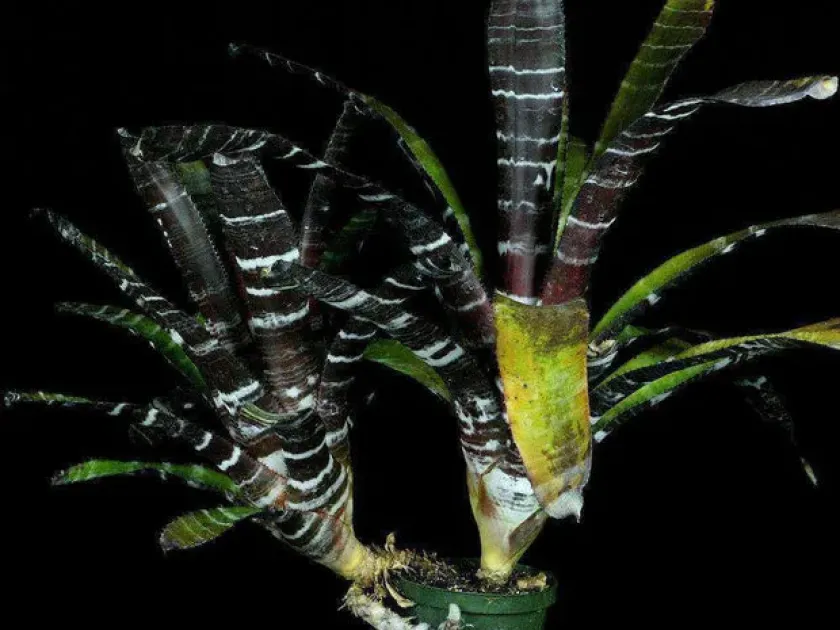
Description
Growing requirements
Neoregelia bragarum is a species within the Bromeliad (Bromeliaceae) family. It is a perennial herbaceous plant known for its striking rosette structure and aesthetic appeal, often serving as a centerpiece in indoor tropical collections.
Originating from the tropical rainforests of Brazil, this plant typically thrives as an epiphyte. In its native habitat, it grows on tree branches or rocky outcrops, gathering water and nutrients through its foliage-formed central cup.
The morphology of the plant is defined by rigid, leathery leaves that form a tank, which collects rainwater and organic debris. This unique evolutionary adaptation allows it to survive in environments where ground water may be scarce.
For cultivation, Neoregelia bragarum requires bright, filtered light. Exposure to intense, direct sunlight is detrimental, as it can cause bleaching or scorching of the leaves, while insufficient light leads to the loss of leaf vibrancy.
Ideal growing conditions include high humidity and stable temperatures ranging between 20°C and 25°C. A loose, well-draining substrate, such as a mix of orchid bark and perlite, is essential to ensure proper aeration for the roots.
Main diseases and pests
The most common pests affecting Neoregelia bragarum include mealybugs and scale insects. These pests often cluster in the hidden crevices of the central rosette, making them difficult to detect until the infestation becomes significant.
Root rot is a frequent issue caused by poor drainage or overwatering. Unlike terrestrial plants, bromeliads prefer their substrate to be kept only slightly damp, focusing water intake through their leaves rather than roots.
Fungal pathogens can colonize the base of the rosette if stagnant water becomes contaminated or if the environment lacks sufficient airflow, leading to structural decay and potential death of the specimen.
Hard water usage is a frequent cause of chemical stress. Mineral deposits, particularly calcium, can accumulate on leaf surfaces and within the cup, causing unsightly white spots and inhibiting normal physiological functions.
To maintain health, growers should practice integrated pest management, regularly inspecting the plant and using horticultural soap or specific systemic insecticides when necessary to keep the foliage clean and healthy.