
Neoregelia cruenta
Neoregelia cruenta
Description
Growing requirements
Neoregelia cruenta is a perennial epiphytic plant belonging to the Bromeliaceae family. Native to the coastal regions of southeastern Brazil, it is commonly found growing in sandy soils and rocky habitats, demonstrating high resistance to the harsh conditions of its natural environment.
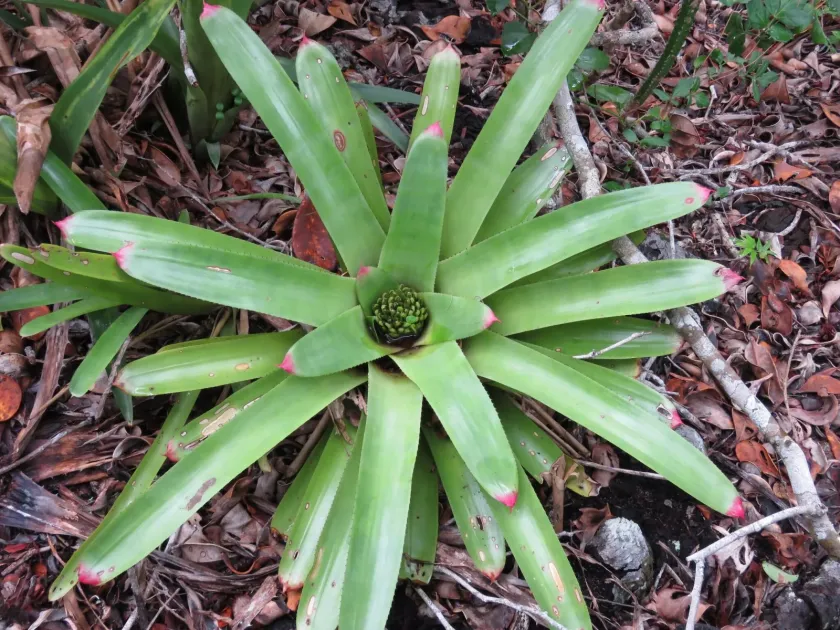
The plant features a tight rosette of stiff, leathery leaves that function as a water-storing structure. The foliage is typically light green with striking red or purplish markings, which intensify in color when the plant receives optimal light exposure throughout its growing cycle.
Cultivation requirements involve providing bright, filtered light. While this species can tolerate some intensity, direct midday sun should be avoided to prevent foliar scorching. The temperature should be maintained between 18°C and 25°C to ensure steady growth and proper physiological function.
For the substrate, a well-draining, airy mix is essential. A composition of pine bark, peat moss, perlite, and charcoal works best to mimic the natural conditions of an epiphyte. The pot must have sufficient drainage holes to prevent the accumulation of stagnant water at the base.
Watering is unique for this genus; the central rosette should be kept filled with clean, soft water. Periodic flushing of the rosette is recommended to prevent mineral buildup and ensure the water quality remains high, which is critical for the overall health and vitality of the plant.
Main diseases and pests
Neoregelia cruenta is susceptible to common houseplant pests, primarily mealybugs and scale insects. These pests often congregate in the tightly packed leaf axils, making early detection and manual removal or targeted treatment difficult but necessary for plant survival.
Root rot is a major threat caused by overwatering and poor drainage. When the roots are constantly submerged in damp substrate, they lose their ability to absorb oxygen, leading to tissue decay and the eventual collapse of the entire plant structure.
Fungal infections can occur when the plant is kept in an environment with high humidity and stagnant air. Proper air circulation is vital to prevent the onset of these pathogens, especially during cooler periods when the plant's metabolic activity naturally slows down.
Spider mites can also be a problem, particularly in dry indoor environments with low atmospheric humidity. Regular misting and maintaining clean foliage help deter these pests, ensuring that the leaves remain healthy and aesthetically appealing throughout the season.
Effective management includes maintaining a clean growing area and regularly inspecting the lower parts of the leaves. Using systemic pesticides should be done with caution, ensuring that the chemicals do not saturate the central water reservoir, which could prove toxic to the plant.