
Nassella trichotoma
Nassella trichotoma
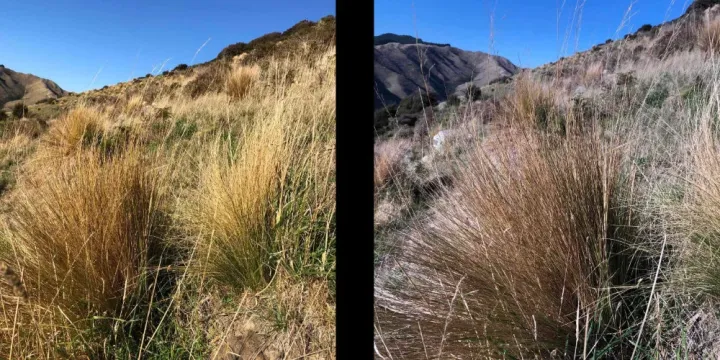
Description
Growing requirements
Nassella trichotoma, commonly known as serrated tussock, is a perennial grass of the Poaceae family. In agronomy, it is recognized not as a crop, but as one of the most destructive and invasive weeds in temperate regions worldwide.
Native to South America, the plant was introduced to other parts of the world, where it successfully naturalized. Its ability to tolerate low-fertility soils and dry conditions makes it a formidable competitor against valuable forage grasses.
The plant grows in dense, upright tussocks with fine, rolled leaves that feel rough to the touch. This physical structure allows it to withstand grazing pressure better than most palatable pasture grasses, as it is often ignored by livestock.
Climatically, it adapts to a variety of environments, though it thrives in regions with moderate rainfall. Its high ecological plasticity allows it to colonize degraded grasslands and even well-managed pastures if left unchecked.
Agrotechnical management is focused on prevention and seed containment. Because it produces an enormous number of wind-dispersed seeds, control measures must be implemented before the flowering season to prevent widespread infestation.
Main diseases and pests
The primary threat of Nassella trichotoma is the degradation of productive land. By replacing desirable grasses, it reduces the carrying capacity of pastures, directly impacting livestock production and profitability.
Livestock health is significantly compromised if they consume the weed. The fibrous, indigestible nature of the plant can lead to rumen impaction, where the mass of fibers blocks the digestive tract of animals.
Natural pests and diseases that suppress the grass in its native habitat are absent in introduced regions. This lack of natural biological control enables the plant to spread aggressively across vast landscapes.
Managing the weed requires a long-term strategy involving herbicides, strategic grazing to prevent seed setting, and in some cases, the total replanting of infested paddocks with competitive, desirable species.
Due to its economic and environmental impact, it is classified as a noxious weed in many countries. Strict quarantine protocols are often in place to prevent the transit of seeds through hay, machinery, or animal fodder.