
Nassella hyalina
Nassella hyalina
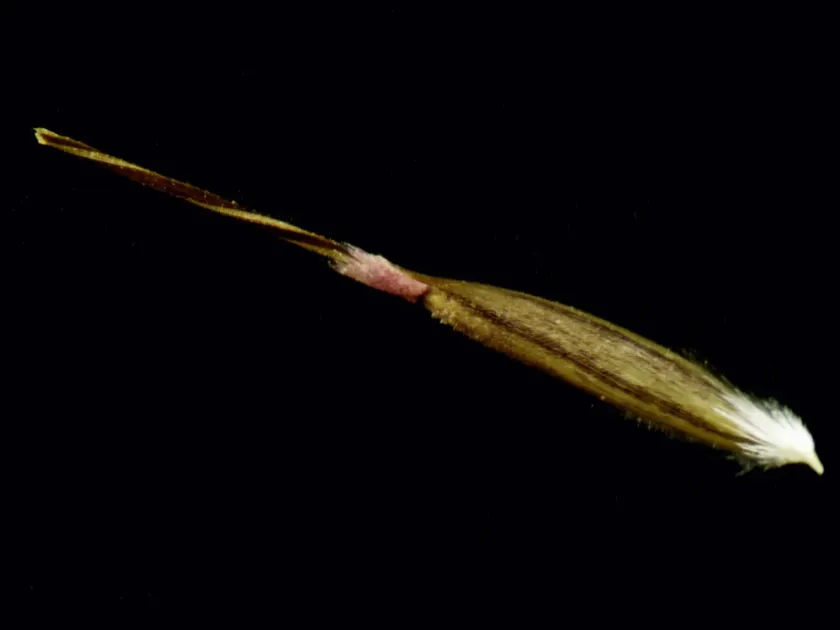
Description
Growing requirements
Nassella hyalina is a perennial grass species belonging to the Poaceae family. Native to South America, particularly regions of Argentina and Uruguay, this plant is recognized for its durability and resilience in diverse grassland ecosystems, serving as a staple component of regional forage.
The plant exhibits a bunchgrass growth habit, forming dense tufts that provide excellent soil cover. Its leaves are typically narrow and rough to the touch, while the inflorescences consist of open panicles with characteristic long awns that aid in seed dispersal and identify the species within its genus.
Regarding environmental needs, Nassella hyalina is highly adaptable. It thrives in well-drained soils and demonstrates significant tolerance to periods of water deficit. It prefers full sun exposure and is well-suited to climates that experience fluctuating moisture levels.
Agronomic practices for this species include careful management of grazing pressure to maintain root vitality. Fertilizer application, particularly nitrogen, should be managed to promote vegetative growth without compromising the plant's natural competitive advantage over invasive weed species.
In terms of agricultural use, this grass is predominantly utilized for livestock grazing. Its nutritional profile, characterized by steady fiber content, makes it a reliable source of energy for cattle and sheep, contributing to the productivity of extensive farming systems.
Main diseases and pests
Common threats to Nassella hyalina include various fungal pathogens that flourish in high-humidity environments. Leaf rust is among the most frequently observed diseases, capable of reducing the photosynthetic capacity and overall biomass yield of the plant.
Insect pests, including root-feeding larvae and sap-sucking insects, present a significant challenge. These pests can weaken the plant's structure and render it more susceptible to environmental stressors, requiring consistent monitoring of the pasture health.
Effective management strategies emphasize the prevention of overgrazing, which creates open patches where weeds and pests can easily establish themselves. Maintaining a healthy, dense stand is the primary defense against the intrusion of harmful biological agents.
Integrated Pest Management (IPM) practices are encouraged, focusing on biological control and field hygiene. Clearing plant debris and monitoring nutrient levels help ensure the grasses remain robust and resistant to both disease outbreaks and pest colonization.
Farmers must also monitor for competitive invasive species that may occupy the same ecological niche. Strategic mowing and controlled grazing schedules are essential tools to keep the Nassella hyalina population vigorous and productive throughout the grazing season.