
Nassella mucronata
Nassella mucronata
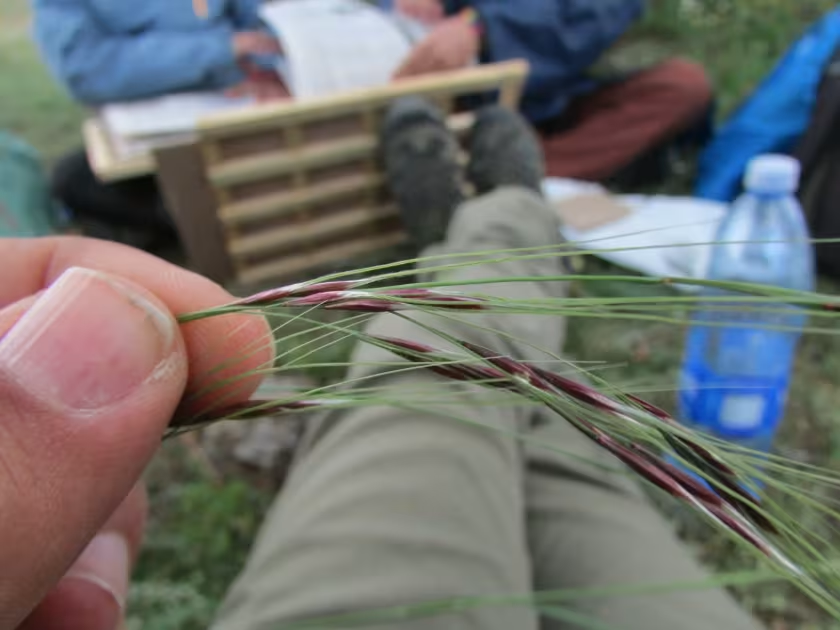
Description
Growing requirements
Nassella mucronata is a resilient perennial grass species within the Poaceae family, recognized for its exceptional adaptation to arid and semi-arid environments. It serves as a vital component in grassland management, particularly in regions where standard forage crops fail to survive due to water scarcity.
Native to South America, this grass has evolved to thrive in open habitats characterized by high solar radiation and low annual precipitation. Its biological structure, featuring a dense clump-forming habit, provides a natural shield against soil erosion in degraded landscapes.
From a botanical perspective, the plant exhibits a robust, deep-reaching root system that excels in nutrient uptake and moisture retention. The foliage is typically tough and fibrous, a physiological strategy designed to limit transpiration during peak summer temperatures.
The crop is highly versatile regarding soil requirements, successfully establishing on various textures including sandy and clay-loam substrates. It demonstrates significant tolerance for alkaline pH levels, making it suitable for areas where other agricultural species are restricted by soil chemistry.
Effective cultivation requires strategic management, focusing on site preparation and minimizing soil disturbance to protect the perennial root stocks. It is considered a sustainable option for improving biodiversity and forage quality in low-input farming systems.
Main diseases and pests
While inherently robust, Nassella mucronata can be susceptible to various rust fungi during humid seasons, although these pathogens rarely cause total crop failure. Proper site selection and avoiding waterlogged fields significantly reduce the likelihood of fungal infections.
Insect pests such as leafhoppers and specific grass-feeding beetles may cause minor damage to the leaf tissue during the primary growth cycle. However, the plant's tough cellular structure acts as a natural deterrent against many generalist herbivorous insects.
Field management practices, such as rotational grazing, help maintain plant vigor and reduce the buildup of pest populations. Ensuring that the sward is not overgrazed is essential to preventing the intrusion of unwanted weed species that could compete for resources.
Biosecurity measures should be implemented to monitor for new, invasive pests that could potentially compromise the health of the stand. Early detection and targeted intervention are the cornerstones of successful disease prevention in this species.
Integrating cultural control methods, such as controlled burning or periodic mowing, can rejuvenate the stand and minimize the overwintering capacity of common agricultural pests. This holistic approach ensures long-term viability and productivity of the forage crop.