
Nassella megapotamia
Nassella megapotamia
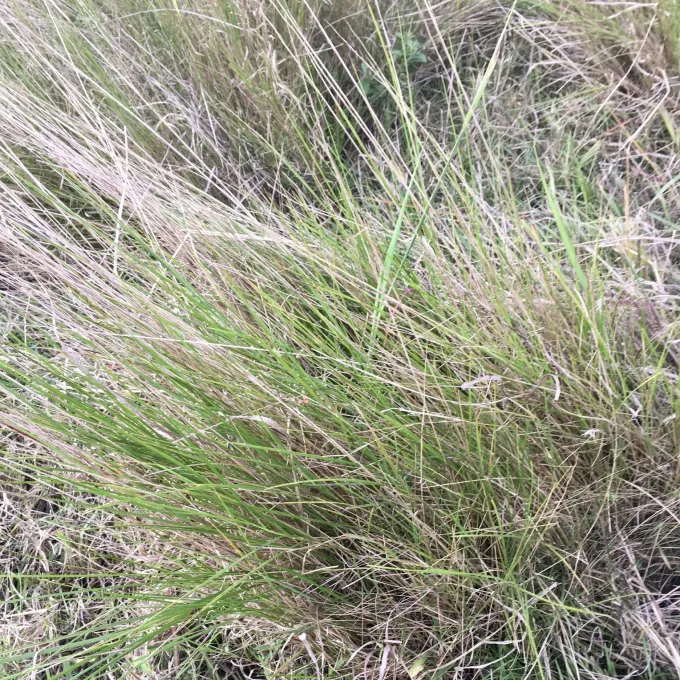
Description
Sowing dates
Sowing of Nassella megapotamia is typically planned for the spring season when soil temperatures reach 10–12°C. The optimal timing is late April or early May, ensuring sufficient moisture for seed germination.
When using seeds, it is important to ensure proper placement at a depth of no more than 1–2 centimeters. Surface sowing requires mandatory rolling to establish better contact between the seeds and the soil substrate.
In regions with mild climates, late-autumn sowing is possible, allowing seeds to undergo natural stratification. This facilitates more uniform emergence in spring, though it requires monitoring to prevent early germination during mid-winter thaws.
The seeding rate is calculated based on the intended purpose: high density is required for forming a thick ornamental cover, while sparser planting is acceptable for technical or erosion-control purposes.
After sowing, the field should be kept moderately moist until full emergence. Light mulching materials can be used to protect the crops from drying out in the topsoil layer.
Growing requirements
Nassella megapotamia belongs to the Poaceae family and prefers well-drained, sandy loam or loamy soils with a neutral pH level. The crop shows high resistance to drought conditions once it is well-established.
The plant is photophilic and requires open, sunny areas for full development and vigorous tillering. Under shaded conditions, its ornamental value and overall biomass productivity decrease significantly.
The species has moderate winter hardiness and requires protection in regions with extremely low winter temperatures. In northern latitudes, cultivation is limited or requires special winterization measures.
The plant adapts well to nutrient-poor soils but responds positively to moderate nitrogen fertilization during the active growth phase. Excessive moisture during winter can lead to root rot.
From an agrotechnical perspective, the crop is valued for its low-maintenance nature. It does not require frequent irrigation, but in the first year of growth, it is essential to monitor for weed competition that may suppress young seedlings.
Yield
The green biomass yield of Nassella megapotamia depends on the level of agro-background and moisture availability during critical developmental stages. On average, with proper management, it demonstrates stable biomass indicators.
A key indicator of cultivation efficiency is the production of high-quality seed material, which exhibits high germination rates when dried and stored correctly. Harvesting the seeds should be performed upon full maturity.
The commercial use of the crop includes the creation of ornamental landscapes, where it is appreciated for its longevity and aesthetic inflorescences. It is also being evaluated for use in bioremediation of degraded lands.
Productivity can be maintained for 5–7 years in the same location without the need for radical renewal. A crucial factor is the timely pruning of dry stems at the beginning of the vegetative season.
Usage as a forage crop is limited due to the specific fibrous properties of the stem, but it can serve as a supplementary component in animal rations if harvested and processed correctly as hay.
Main diseases and pests
The main threats to Nassella megapotamia are related to fungal diseases that arise under high humidity and stagnant air. Powdery mildew can affect the foliage under unfavorable weather conditions.
Root rots are the most dangerous threats, as they are difficult to diagnose in early stages and can lead to the death of the entire stand. The primary prevention method is maintaining optimal soil drainage.
Regarding pests, cereal flies and aphids pose the greatest danger, as they can damage young shoots during the active growth period. Insecticidal treatment is implemented when damage thresholds are exceeded.
Competition from weeds during the first year of life is a significant biological threat. Hand-weeding remains the primary control method, as chemical herbicides must be selected with extreme selectivity to avoid harming the grass.
Rust may be observed during periods of high humidity and warm weather. Broad-spectrum fungicides are effective for control, alongside the timely removal of infected plant residues during the autumn cleanup.