
Chilean Needle Grass
Nassella neesiana
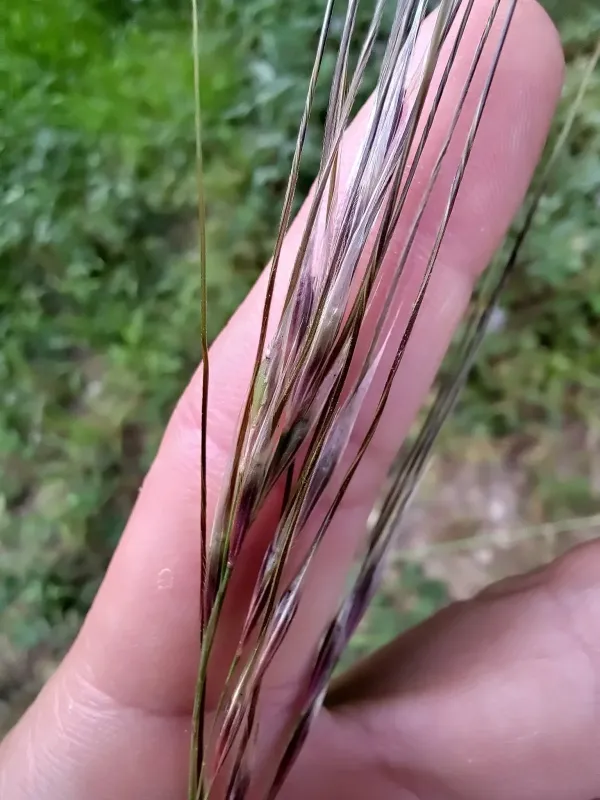
Description
Sowing dates
The reproduction of Nassella neesiana relies on its specialized seed dispersal mechanism, which involves awns that twist in response to humidity changes.
Germination typically occurs in late spring or early autumn when moisture levels are sufficient for the seeds to drill into the substrate.
Seed production is prolific, with a single plant capable of producing thousands of seeds that can persist in the soil seed bank for several years.
Human-induced spread often happens through contaminated farm machinery or animal movement between infected and clean pastures.
The plant demonstrates a strategic approach to colonization, favoring disturbed areas where competition from native grasses is reduced.
Growing requirements
Chilean Needle Grass is a perennial tussock grass belonging to the Poaceae family, known for its high adaptability to varying environments.
The species thrives in Mediterranean-type climates, characterized by warm, dry summers and mild, wet winters, which facilitate its vegetative growth.
It prefers well-drained soils and can withstand low-nutrient conditions, making it a competitive occupant in degraded agricultural landscapes.
Sunlight is a key requirement, as the plant does not perform well in shaded or heavily forested areas, favoring open fields and grasslands.
Its deep fibrous root system allows for significant drought tolerance, maintaining viability even when surface moisture is exhausted.
Main diseases and pests
The primary threat posed by this species is its aggressive invasiveness, which leads to the displacement of native flora and nutritious pasture grasses.
The seeds feature sharp, pointed calluses that can penetrate the hides and muscles of livestock, leading to severe physical injury and welfare concerns.
Damage to high-quality wool is a major economic impact, as the sharp awns become deeply embedded in the fibers of grazing sheep.
Management requires rigorous biosecurity measures and the use of targeted herbicides to prevent the establishment of new colonies in grazing lands.
Integrated control programs are necessary, combining manual removal in early stages with pasture improvement to outcompete the weed.
Harvesting
There is no commercial harvest of Chilean Needle Grass because it is widely classified as a noxious weed in most agricultural regions.
In cases where it is treated as biomass, it must be harvested prior to seed set to prevent further contamination of the site.
Manual clearing is often recommended in restricted areas where chemical herbicides might impact sensitive ecosystems or water sources.
Equipment used in areas infested with Nassella neesiana must undergo strict cleaning protocols to avoid transporting seeds to unaffected fields.
Regular monitoring of harvest equipment and transport routes remains the most critical practice for containing the spread of this grass.