
Nassella poeppigiana
Nassella poeppigiana
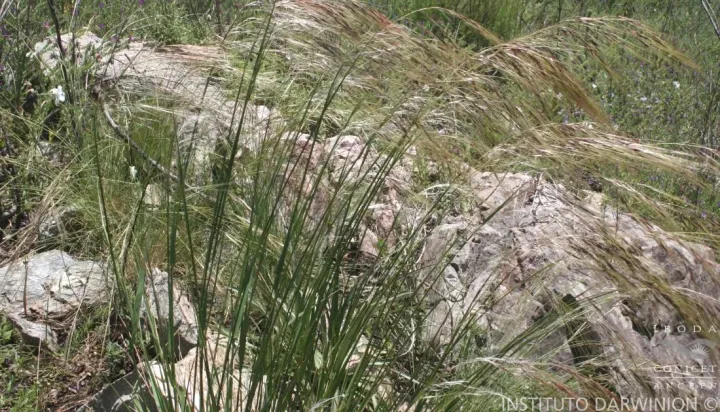
Description
Sowing dates
Nassella poeppigiana, a member of the Poaceae family, should be sown during early spring or autumn when soil temperatures are conducive to germination, typically between 12°C and 18°C.
Seeds are best sown at a shallow depth of approximately 1–2 cm. Proper soil contact is essential, as the seeds are relatively small and require stable moisture during the initial establishment phase.
In large-scale agricultural settings, precision grain drills are recommended to ensure uniform spacing and density. Over-seeding should be avoided to prevent intra-specific competition for nutrients in the early stages.
Maintaining a weed-free seedbed is crucial, as young seedlings of this species are sensitive to competition from aggressive pioneer weed species during the first month of growth.
Once established, the grass forms a dense root system. Depending on the intended use—pasture or erosion control—the seeding rate can be adjusted accordingly to ensure long-term coverage.
Growing requirements
This grass species thrives in well-drained soils, ranging from sandy loams to heavier clay-based soils, provided there is no persistent waterlogging. A neutral soil pH is ideal for nutrient uptake.
Nassella poeppigiana is highly adaptable to various climatic conditions, exhibiting significant drought tolerance once its root system is fully mature and established in the soil profile.
It prefers full sun exposure to maintain optimal vigor and productivity. In shaded environments, the plant may become spindly and suffer from reduced biomass accumulation.
While the species is hardy, protecting young stands from extreme winter frost is beneficial in regions where the soil remains frozen for extended periods without snow cover.
Fertilization should be based on soil testing. Nitrogen application in early spring can significantly boost vegetative growth, though phosphorus is critical for root health and overall stand resilience.
Yield
The yield potential of Nassella poeppigiana is robust, making it a reliable choice for sustainable forage production in its native and adapted ranges. Proper management allows for multiple cuttings per season.
Seed production is an important secondary income stream for growers. Harvesting at the peak of maturity ensures high viability and purity of the seed lot for future sowing cycles.
The biomass quality remains consistent throughout the season. Even as the plant matures, the leaves retain a high proportion of dry matter and nutritional value suitable for grazing livestock.
Productivity remains stable over several years, provided the soil fertility is maintained through periodic top-dressing and the grazing intensity is strictly monitored.
As a multi-year crop, it offers the advantage of low turnover costs, as the stand does not require annual replanting if properly managed and protected from overgrazing.
Main diseases and pests
Fungal pathogens such as rust and leaf spot are the primary threats, particularly in high-humidity seasons. Maintaining adequate air circulation within the stand is a key management strategy.
Insect pests, including various aphids and grasshoppers, can infest the foliage. Monitoring programs are essential to determine if chemical intervention is necessary to prevent economic damage.
Improper grazing practices or frequent mowing at too low a height can weaken the plants, leaving the soil exposed and increasing the risk of invasion by unwanted species.
Root rot is rarely an issue unless the soil drainage is poor. Improving field drainage is the most effective preventative measure against these types of soil-borne complications.
Integrated pest management, including crop rotation and the use of resistant seed varieties, can minimize reliance on chemical controls and promote a more sustainable farming operation.
Harvesting
Harvesting for forage is best timed at the early heading stage to maximize the concentration of proteins and minerals. Using specialized equipment helps to maintain the quality of the harvested hay.
For seed harvesting, timing is critical. Swathing or direct harvesting should occur when the seed heads reach a uniform color, minimizing the risk of shattering and loss in the field.
Post-harvest processing involves cleaning and drying the seeds to prevent heating and fungal growth in storage. Proper moisture levels are vital for long-term storage success.
If managed for landscaping or erosion control, harvesting may involve trimming back dead biomass in late winter to stimulate fresh growth at the start of the spring season.
Equipment calibration is necessary to handle the fine seeds of Nassella effectively, ensuring that the final output meets quality standards for marketing or future cultivation.