
Mexican feather grass
Nassella tenuissima
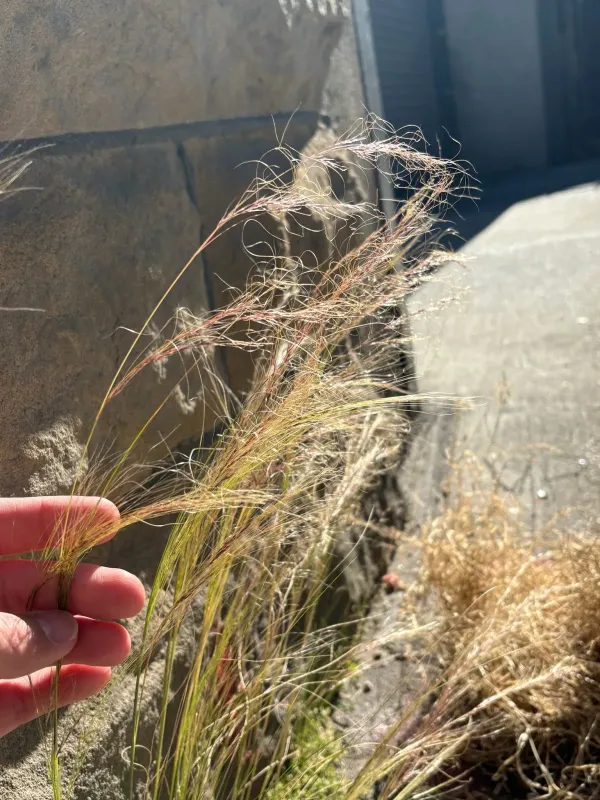
Description
Sowing dates
Sowing Mexican feather grass seeds is best performed during the spring months once the threat of heavy frost has passed and soil temperatures rise.
Seeds should be sown on the surface of the growing medium, as Nassella tenuissima requires light exposure to trigger effective germination.
Maintaining a steady temperature of around 20 degrees Celsius is critical for consistent results in commercial nursery production.
In addition to seeding, mature clumps can be propagated through division, which is ideally done in the early autumn to allow for root establishment.
Care must be taken to ensure the seedlings are well-spaced, which prevents overcrowding and allows for the development of a healthy, robust root system before transplanting.
Growing requirements
As a member of the Poaceae family, Nassella tenuissima thrives in well-drained, sandy, or rocky soils that prevent water retention near the crown.
Full sun exposure is an absolute requirement for the plant to achieve its signature fine-textured, hair-like foliage and silver-green coloration.
This species is exceptionally drought-tolerant, making it an ideal choice for arid agricultural landscapes or xeriscaping projects where water is limited.
It performs poorly in heavy, waterlogged clay soils, as the roots are highly susceptible to rot when exposed to excessive moisture for prolonged periods.
Standard agronomic practice involves minimal fertilization, as excessive nitrogen results in weak, drooping foliage that loses its aesthetic and structural integrity.
Main diseases and pests
Mexican feather grass is relatively resistant to most pests and diseases, provided that the environmental conditions meet its specific drainage requirements.
The primary threat to plant health is fungal pathogens that flourish in overly humid environments or areas with poor air circulation between specimens.
Root rot is the most common condition affecting this grass, usually triggered by over-irrigation or incorrect soil choice that inhibits oxygen exchange.
Pest issues are rarely significant due to the tough, fibrous nature of the blades, which discourages most common garden insects from feeding on the foliage.
Preventative management should focus on seasonal pruning to remove dead debris, which enhances airflow and reduces the risk of accumulating harmful fungal spores.