
Nassella pulchra
Nassella pulchra
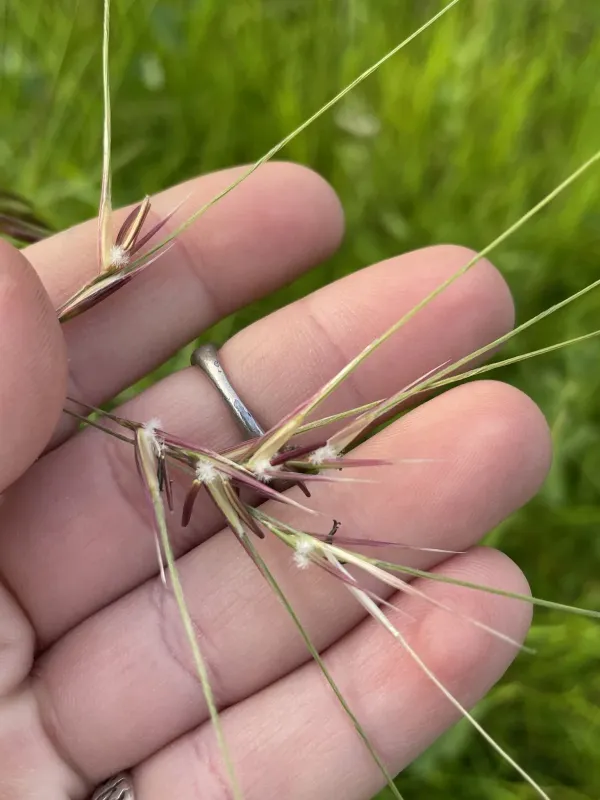
Description
Sowing dates
Sowing of Nassella pulchra is best performed in the autumn months, synchronizing with the onset of the rainy season to provide optimal conditions for germination and early establishment.
Seeds should be planted at a shallow depth, typically 1 to 2 centimeters, ensuring that the moisture balance in the soil is sufficient to trigger the germination process without rotting the seeds.
Adequate soil preparation is crucial, as the seedlings are known to be slow-growing in the first year and can be easily outcompeted by aggressive weeds if the site is not clean.
Broadcasting or using precision drills are common methods, and covering the seed with a thin layer of soil followed by light rolling helps improve the soil-to-seed contact.
In regions where autumn rains are unreliable, providing supplemental irrigation during the initial germination phase can significantly increase the success rate of the plantation.
Growing requirements
Nassella pulchra, commonly known as purple needlegrass, is a perennial bunchgrass belonging to the Poaceae family, widely recognized for its high ecological resilience.
This species thrives in a variety of soil textures, including heavy clays, and is well-adapted to environments with significant seasonal variations in moisture availability.
It prefers full sun exposure to maintain high vigor, though it possesses remarkable shade tolerance in comparison to many other native grasses found in similar habitats.
The plant is highly drought-tolerant, utilizing a deep root system that can extend several feet into the soil profile to access water reserves during long, dry summer months.
It is best adapted to neutral to slightly acidic soil conditions and does not tolerate long periods of waterlogged soil, which can lead to root system decay during the dormant phase.
Yield
While often used for restoration, Nassella pulchra provides a moderate level of forage value, serving as a reliable source of green fodder when annual grasses have already dried up.
The total biomass yield is heavily dependent on the cumulative rainfall during the winter growing season, which determines the vegetative capacity of the bunchgrass.
Proper grazing management is essential for sustainable yields; overgrazing can lead to the exhaustion of energy reserves in the roots, eventually killing the individual plant.
Seed production is a critical economic and conservation activity, as the seeds are highly sought after for large-scale land reclamation projects and ecological engineering.
Optimal timing for harvest is crucial, as the seeds mature unevenly; harvesting too early results in low viability, while delayed harvesting leads to significant yield loss due to shattering.
Main diseases and pests
Fungal pathogens such as rusts and leaf spots represent the primary biological threats, particularly during humid seasons where stagnant air contributes to disease spread.
Invertebrate pests, including aphids and root-feeding larvae, can weaken the plants, especially during the seedling stage when they lack the protection of a robust root system.
Invasive exotic weeds are the most significant threat to the competitive ability of Nassella pulchra, as they can rapidly occupy the space and light needed by the young bunchgrasses.
Small mammals, particularly rodents, can cause substantial losses by consuming both the newly sown seeds and the crowns of the perennial plants, preventing natural recruitment.
Integrated pest management strategies focusing on weed control and maintaining proper plant spacing are the most effective ways to reduce these threats and ensure crop health.