
Citrus amblycarpa
Citrus amblycarpa (Hassk.) Ochse
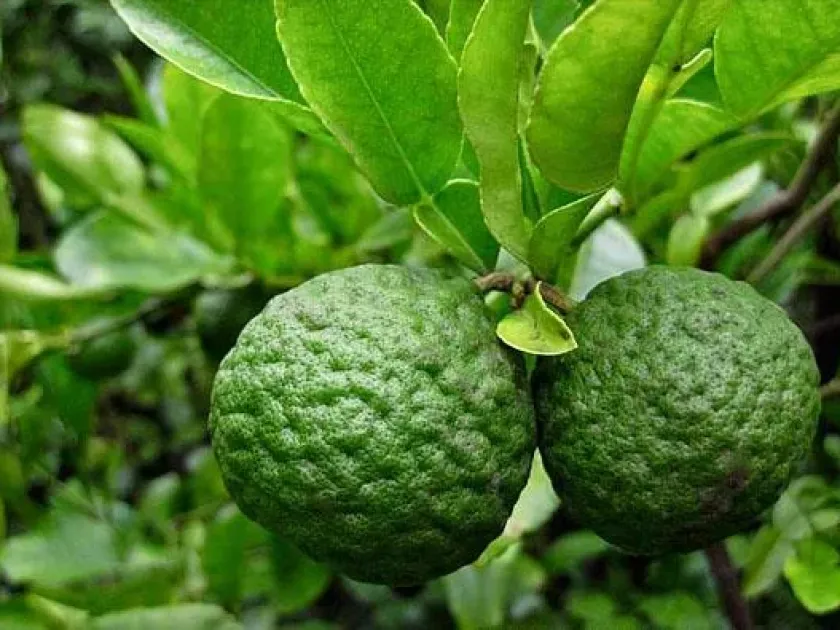
Description
Growing requirements
Citrus amblycarpa (Hassk.) Ochse belongs to the Rutaceae family and is a distinctive evergreen species native to Indonesia, particularly Java. The plant typically manifests as a shrub or small tree characterized by thorny branches and dense, fragrant foliage.
Regarding climatic needs, this species thrives in tropical environments with high atmospheric humidity and constant warmth. It does not tolerate frost, and even minor temperature drops can induce leaf drop and severe stress to the vascular system of the tree.
Soil requirements focus on high organic content and excellent drainage capability. The species prefers slightly acidic substrates and is highly sensitive to soil compaction, which necessitates regular loosening of the topsoil around the root zone for optimal aeration.
The agricultural cultivation of this plant is mostly limited to specialized orchards or private collections due to its specific taste profile. The fruits are primarily utilized in traditional cuisine, where they serve as a unique flavoring agent in sauces and local regional dishes.
Maintenance techniques include professional pruning to manage tree shape and stimulate fruit production. Proper canopy management ensures that sunlight reaches inner branches, which is essential for maintaining the health of the tree and ensuring uniform fruit ripening.
Main diseases and pests
Citrus pests such as aphids and citrus psyllids are the primary biological threats to this crop. These insects not only damage plant tissue but can also serve as vectors for serious systemic diseases that affect citrus vitality.
Root rot, driven by Phytophthora species, remains the most significant threat in humid environments with poor drainage. Implementing strict irrigation schedules and monitoring substrate moisture levels are essential management steps to prevent infection.
Sooty mold can develop on the leaves as a secondary infection following honeydew excretion by scale insects. Keeping the plant free from sucking pests is a direct way to mitigate the risk of fungal growth on the leaf surfaces.
Nutrient deficiencies, particularly magnesium and zinc, often manifest as leaf chlorosis. Correcting these deficiencies through foliar feeding or specialized soil amendments is vital for the continued development of the citrus tree.
Environmental stress caused by poor light conditions often leads to weak growth, making the plant more susceptible to opportunistic pathogens. Ensuring at least six to eight hours of indirect sunlight is crucial for building plant resilience.