
Naruto mikan
Citrus medioglobosa hort. ex Tanaka
Description
Growing requirements
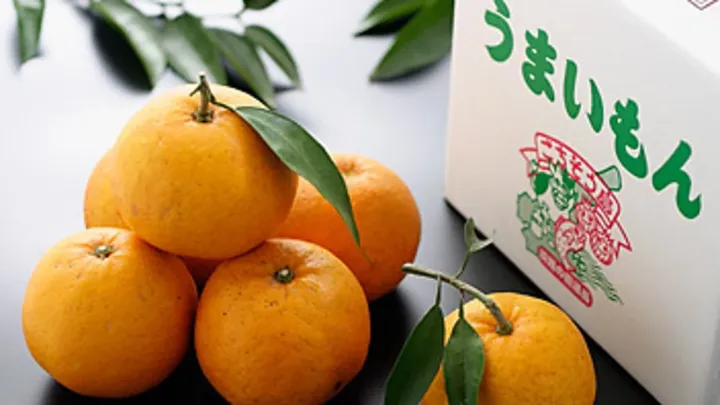
Naruto mikan (Citrus medioglobosa hort. ex Tanaka) is a distinct citrus hybrid belonging to the Rutaceae family. It is primarily grown in the Tokushima Prefecture of Japan, which provides the specific subtropical conditions required for its development.
Botanically, it is an evergreen tree characterized by a dense canopy and deep green leathery leaves. The flowers are typically white and fragrant, appearing during the spring season and leading to the development of medium-sized, flattened orange fruits.
The culture thrives in a subtropical climate, requiring consistent warmth and protection from severe frost. For optimal growth, the temperature should ideally remain within the 18 to 28 degrees Celsius range throughout the main growing season.
Soil requirements for Naruto mikan are strict; it prefers fertile, well-draining loamy soils with a slightly acidic to neutral pH. Proper soil aeration is crucial for the health of the root system and to prevent waterlogging.
Agricultural management involves regular pruning to ensure proper sunlight penetration into the center of the canopy. Fertilization schedules are typically adjusted to support both vegetative growth in early spring and fruit development during the summer.
Yield
In terms of economic use, the fruit is prized for its balance of sweetness and acidity. It is widely utilized in fresh consumption, as well as in the production of high-quality fruit juices, jams, and culinary flavoring agents.
Main diseases and pests
Common pests include citrus aphids and scale insects, which target young foliage and stems. Growers often use integrated pest management strategies to keep populations under control without negatively impacting fruit quality.
Fungal diseases like anthracnose and melanose can affect fruit surfaces during prolonged wet seasons. Improving air circulation through regular crown thinning and maintaining hygiene in the orchard are the primary preventative measures.
Harvesting
Harvesting takes place when the fruit color changes from green to a vibrant orange. Careful hand-harvesting is essential to maintain the quality of the fruit and to ensure the longevity of the tree's production cycle for subsequent seasons.